Mushroom Extract Import from China: Retention Sample Management, Storage

Mushroom Extract Import from China: Retention Sample Management, Storage

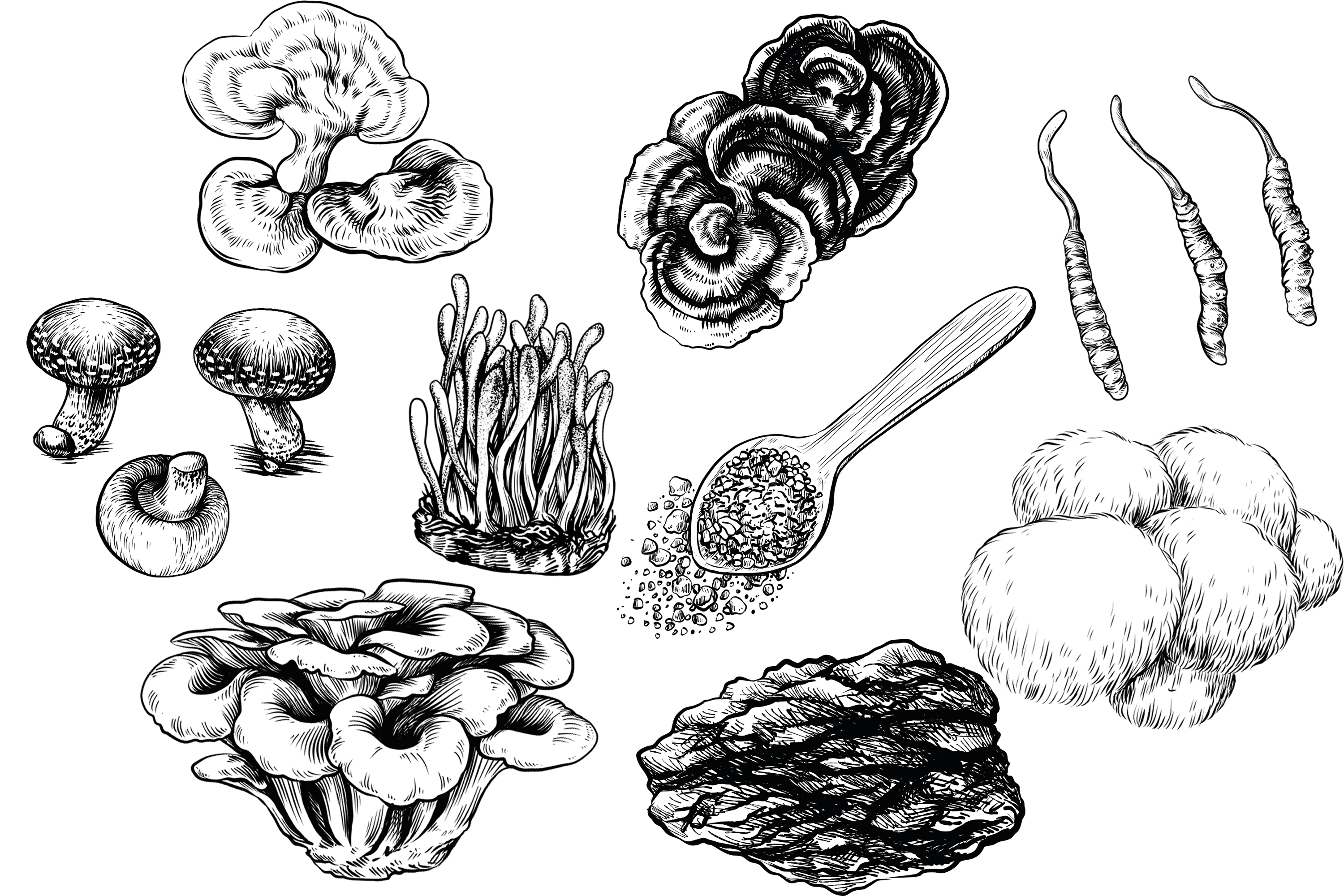
The global demand for mushroom extracts has grown rapidly in recent years, driven by increased interest in natural health products, functional foods, dietary supplements, and wellness formulations. China is one of the leading producers and exporters of mushroom extracts, offering a wide range of raw materials such as reishi (Ganoderma lucidum), lion’s mane (Hericium erinaceus), cordyceps, chaga, and shiitake extracts. These ingredients are widely used in nutraceuticals, beverages, capsules, powders, and cosmetic formulations.

However, importing mushroom extracts from China is not simply a matter of placing an order and shipping goods. It involves a structured process that includes supplier qualification, regulatory compliance, quality assurance, documentation, customs clearance, and long-term product traceability. One of the most important yet often overlooked aspects of this process is retention sample management.

Retention samples play a critical role in quality control, dispute resolution, and long-term product verification. They act as a physical reference of each batch shipped, ensuring that buyers and suppliers can verify product quality even months after delivery. For B2B buyers, distributors, and brand owners, understanding how retention samples are stored, accessed, and used is essential for risk management and supply chain transparency.


1. How Long Retention Samples Are Stored for Mushroom Extract Batches

Retention samples are a critical part of quality assurance in the mushroom extract supply chain. They are physical samples taken from each production batch and stored under controlled conditions for future reference.

1.1 Standard Retention Period

In most professional B2B manufacturing systems, retention samples are stored for a defined period that aligns with product shelf life and regulatory expectations.
Coming Herb's retention policy typically includes:

  • Samples are reserved for every batch, including sample orders and formal orders
  • Approximately 30g of sample is retained per batch
  • Retained samples are kept for each batch, including export shipments and sample orders.The retention period is at least 1 year beyond the expiry date.
  • Samples are not discarded until the end of the retention period unless regulatory or contractual conditions require otherwise

This ensures that any quality concerns raised within the product lifecycle can be investigated using the original batch reference.

1.2 Purpose of Retention Samples

Retention samples serve several key functions:

  • Provide a physical reference of what was actually shipped
  • Enable laboratory re-testing in case of disputes
  • Support regulatory inspections or audits
  • Confirm consistency between production batches
  • Assist in long-term product stability studies

They are essentially a “quality fingerprint” of each batch.


2. Can I Request Access to Retained Samples?

Yes, buyers can request access to retained samples, but this is usually governed by strict conditions to ensure traceability and sample integrity.

2.1 Sample Access Conditions

In a typical professional system:

  • Buyers may request to view or receive retained samples
  • Only one request per batch is allowed in many systems
  • The maximum quantity available for request is typically limited (for example, up to 10g)

This limitation ensures that enough material remains for potential future testing or dispute resolution.

2.2 Purpose of Sample Requests

Buyers usually request retained samples for:

  • Independent laboratory testing
  • Internal quality verification
  • Regulatory compliance checks
  • Product development comparisons
  • Verification before launching a finished product

It is important to note that retained samples are not intended for commercial use or resale, but strictly for quality verification purposes.


3. Under What Conditions Are Retention Samples Stored to Ensure Stability?

Proper storage conditions are essential to ensure that retention samples remain stable and representative of the original batch over time. Mushroom extracts are sensitive to moisture, heat, oxygen exposure, and light, which can all affect their chemical stability.

3.1 Standard Storage Conditions

Retention samples are typically stored under controlled environmental conditions, including:

  • Cool temperature environment
  • Dry and ventilated storage area
  • Protection from direct sunlight
  • Low humidity conditions
  • Sealed packaging systems

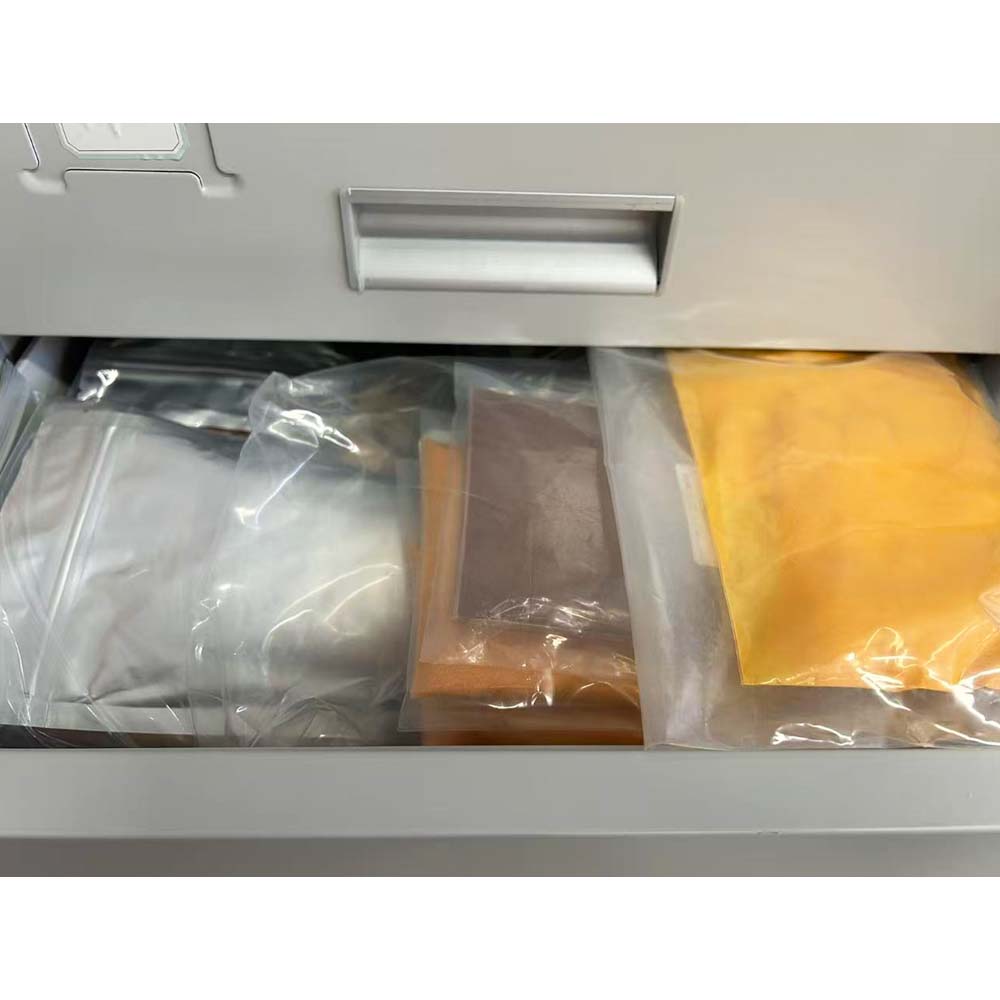
In our retained samples, each sample is packaged using:

  • Inner PE (polyethylene) bags for moisture protection
  • Outer aluminum foil bags for light and oxygen barrier

This dual-layer packaging helps maintain chemical stability and prevents degradation over time.

3.2 Why Proper Storage Matters

Improper storage can lead to:

  • Loss of active compounds (e.g., beta-glucan degradation)
  • Moisture absorption and microbial risk
  • Changes in colour, smell, or texture
  • Reduced accuracy in re-testing results

Therefore, maintaining controlled storage conditions is essential to ensure that retained samples remain valid for comparison.


4. How Retained Samples Help Resolve Quality Disputes After Import

One of the most important roles of retention samples is their use in resolving quality disputes between buyers and suppliers. In international trade, especially in natural extract industries, disputes may arise due to differences in testing methods, storage conditions, or product interpretation.

4.1 Role in Quality Verification

If a buyer suspects a quality issue after receiving goods, the process typically involves:

  1. Initial internal quality review by the buyer
  2. Submit test results from a third-party testing agency
  3. Comparison with supplier’s retained sample

The retained sample serves as the official reference standard for that specific batch.

4.2 Re-Testing Procedure

If a dispute escalates:

  • The retained sample is sent to an independent laboratory
  • The sample is often retested by Eurofins, an internationally recognized third-party testing organization.
  • Results are compared with original COA and buyer test results
  • Any deviation is analysed scientifically

This process ensures fairness and objectivity in dispute resolution.

4.3 Outcome Determination

If re-inspection confirms a genuine quality issue:

  • The supplier acknowledges the deviation
  • Replacement or refund is issued according to after-sales policy
  • Future production adjustments may be implemented

If no issue is found:

  • The product is considered compliant with original specifications
  • Differences are usually attributed to testing methods or handling conditions

4.4 Why Retention Samples Are Essential for Trade Trust

Retention samples create transparency in international supply chains. They:

  • Protect both buyer and supplier
  • Reduce misunderstanding in cross-border trade
  • Provide scientific evidence in disputes
  • Strengthen long-term business relationships

Without retention samples, resolving quality disputes would rely only on documentation, which is often insufficient in complex natural product categories like mushroom extracts.


Importing mushroom extracts from China requires more than just sourcing a product—it demands a structured system of quality control, documentation, and long-term traceability. Retention samples play a central role in this system, acting as a reliable reference point for verifying product quality, ensuring stability, and resolving disputes.

From supplier selection and batch production to storage and re-testing, every stage of the supply chain is supported by strict quality assurance mechanisms. Retention samples, typically stored for the full product lifecycle and kept under controlled conditions, provide both buyers and suppliers with a fair and scientific basis for evaluating product integrity.

For businesses operating in the mushroom extract industry, understanding and implementing proper retention sample policies is not just a best practice—it is an essential component of risk management, regulatory compliance, and long-term brand protection.

Mushroom Extract Import from China: Retention Sample Management, Storage

The global demand for mushroom extracts has grown rapidly in recent years, driven by increased interest in natural health products, functional foods, dietary supplements, and wellness formulations. China is one of the leading producers and exporters of mushroom extracts, offering a wide range of raw materials such as reishi (Ganoderma lucidum), lion’s mane (Hericium erinaceus), cordyceps, chaga, and shiitake extracts. These ingredients are widely used in nutraceuticals, beverages, capsules, powders, and cosmetic formulations.

However, importing mushroom extracts from China is not simply a matter of placing an order and shipping goods. It involves a structured process that includes supplier qualification, regulatory compliance, quality assurance, documentation, customs clearance, and long-term product traceability. One of the most important yet often overlooked aspects of this process is retention sample management.

Retention samples play a critical role in quality control, dispute resolution, and long-term product verification. They act as a physical reference of each batch shipped, ensuring that buyers and suppliers can verify product quality even months after delivery. For B2B buyers, distributors, and brand owners, understanding how retention samples are stored, accessed, and used is essential for risk management and supply chain transparency.


1. How Long Retention Samples Are Stored for Mushroom Extract Batches

Retention samples are a critical part of quality assurance in the mushroom extract supply chain. They are physical samples taken from each production batch and stored under controlled conditions for future reference.

1.1 Standard Retention Period

In most professional B2B manufacturing systems, retention samples are stored for a defined period that aligns with product shelf life and regulatory expectations.
Coming Herb's retention policy typically includes:

  • Samples are reserved for every batch, including sample orders and formal orders
  • Approximately 30g of sample is retained per batch
  • Retained samples are kept for each batch, including export shipments and sample orders.The retention period is at least 1 year beyond the expiry date.
  • Samples are not discarded until the end of the retention period unless regulatory or contractual conditions require otherwise

This ensures that any quality concerns raised within the product lifecycle can be investigated using the original batch reference.

1.2 Purpose of Retention Samples

Retention samples serve several key functions:

  • Provide a physical reference of what was actually shipped
  • Enable laboratory re-testing in case of disputes
  • Support regulatory inspections or audits
  • Confirm consistency between production batches
  • Assist in long-term product stability studies

They are essentially a “quality fingerprint” of each batch.


2. Can I Request Access to Retained Samples?

Yes, buyers can request access to retained samples, but this is usually governed by strict conditions to ensure traceability and sample integrity.

2.1 Sample Access Conditions

In a typical professional system:

  • Buyers may request to view or receive retained samples
  • Only one request per batch is allowed in many systems
  • The maximum quantity available for request is typically limited (for example, up to 10g)

This limitation ensures that enough material remains for potential future testing or dispute resolution.

2.2 Purpose of Sample Requests

Buyers usually request retained samples for:

  • Independent laboratory testing
  • Internal quality verification
  • Regulatory compliance checks
  • Product development comparisons
  • Verification before launching a finished product

It is important to note that retained samples are not intended for commercial use or resale, but strictly for quality verification purposes.


3. Under What Conditions Are Retention Samples Stored to Ensure Stability?

Proper storage conditions are essential to ensure that retention samples remain stable and representative of the original batch over time. Mushroom extracts are sensitive to moisture, heat, oxygen exposure, and light, which can all affect their chemical stability.

3.1 Standard Storage Conditions

Retention samples are typically stored under controlled environmental conditions, including:

  • Cool temperature environment
  • Dry and ventilated storage area
  • Protection from direct sunlight
  • Low humidity conditions
  • Sealed packaging systems

In our retained samples, each sample is packaged using:

  • Inner PE (polyethylene) bags for moisture protection
  • Outer aluminum foil bags for light and oxygen barrier

This dual-layer packaging helps maintain chemical stability and prevents degradation over time.

3.2 Why Proper Storage Matters

Improper storage can lead to:

  • Loss of active compounds (e.g., beta-glucan degradation)
  • Moisture absorption and microbial risk
  • Changes in colour, smell, or texture
  • Reduced accuracy in re-testing results

Therefore, maintaining controlled storage conditions is essential to ensure that retained samples remain valid for comparison.


4. How Retained Samples Help Resolve Quality Disputes After Import

One of the most important roles of retention samples is their use in resolving quality disputes between buyers and suppliers. In international trade, especially in natural extract industries, disputes may arise due to differences in testing methods, storage conditions, or product interpretation.

4.1 Role in Quality Verification

If a buyer suspects a quality issue after receiving goods, the process typically involves:

  1. Initial internal quality review by the buyer
  2. Submit test results from a third-party testing agency
  3. Comparison with supplier’s retained sample

The retained sample serves as the official reference standard for that specific batch.

4.2 Re-Testing Procedure

If a dispute escalates:

  • The retained sample is sent to an independent laboratory
  • The sample is often retested by Eurofins, an internationally recognized third-party testing organization.
  • Results are compared with original COA and buyer test results
  • Any deviation is analysed scientifically

This process ensures fairness and objectivity in dispute resolution.

4.3 Outcome Determination

If re-inspection confirms a genuine quality issue:

  • The supplier acknowledges the deviation
  • Replacement or refund is issued according to after-sales policy
  • Future production adjustments may be implemented

If no issue is found:

  • The product is considered compliant with original specifications
  • Differences are usually attributed to testing methods or handling conditions

4.4 Why Retention Samples Are Essential for Trade Trust

Retention samples create transparency in international supply chains. They:

  • Protect both buyer and supplier
  • Reduce misunderstanding in cross-border trade
  • Provide scientific evidence in disputes
  • Strengthen long-term business relationships

Without retention samples, resolving quality disputes would rely only on documentation, which is often insufficient in complex natural product categories like mushroom extracts.


Importing mushroom extracts from China requires more than just sourcing a product—it demands a structured system of quality control, documentation, and long-term traceability. Retention samples play a central role in this system, acting as a reliable reference point for verifying product quality, ensuring stability, and resolving disputes.

From supplier selection and batch production to storage and re-testing, every stage of the supply chain is supported by strict quality assurance mechanisms. Retention samples, typically stored for the full product lifecycle and kept under controlled conditions, provide both buyers and suppliers with a fair and scientific basis for evaluating product integrity.

For businesses operating in the mushroom extract industry, understanding and implementing proper retention sample policies is not just a best practice—it is an essential component of risk management, regulatory compliance, and long-term brand protection.

Thanks for your time.

we will get back to you in 12 hours.

mushroom extract supplier, mushroom powder supplier