Forget “Polysaccharides”: Why Beta-Glucan Testing (Megazyme K-YBGL) Is the True Measure of Mushroom Extract Quality

How Can I Import Mushroom Extracts from China, and Which International Standard Do You Follow to Test Beta-Glucan Content?

The global demand for mushroom extracts has grown rapidly over the past decade. Functional mushrooms such as Reishi (Ganoderma lucidum), Lion’s Mane (Hericium erinaceus), Cordyceps, Chaga, and Turkey Tail are now widely used in dietary supplements, functional foods, beverages, and health formulations.

China plays a central role in this market. It is the world’s largest producer of cultivated mushrooms and one of the most important exporters of mushroom extracts. For international buyers, importing from China offers advantages in scale, cost efficiency, raw material availability, and processing capability. However, it also raises critical questions:

  • How do I import mushroom extracts from China compliantly?
  • Which international standard is used to test beta-glucan content?
  • Is beta-glucan testing based on AOAC or Megazyme methods?
  • Can I verify beta-glucan values before shipment?
  • How do I trust the data on a supplier’s Certificate of Analysis (COA)?

This article answers these questions in detail. It explains both the scientific standards behind beta-glucan testing, with a particular focus on the Megazyme K-YBGL method, which we use as our core quality benchmark.


Why Beta-Glucan Content Is Central to Mushroom Extract Quality

Among all quality indicators, beta-glucan content is the most important specification for medicinal mushroom extracts.

What Are Beta-Glucans?

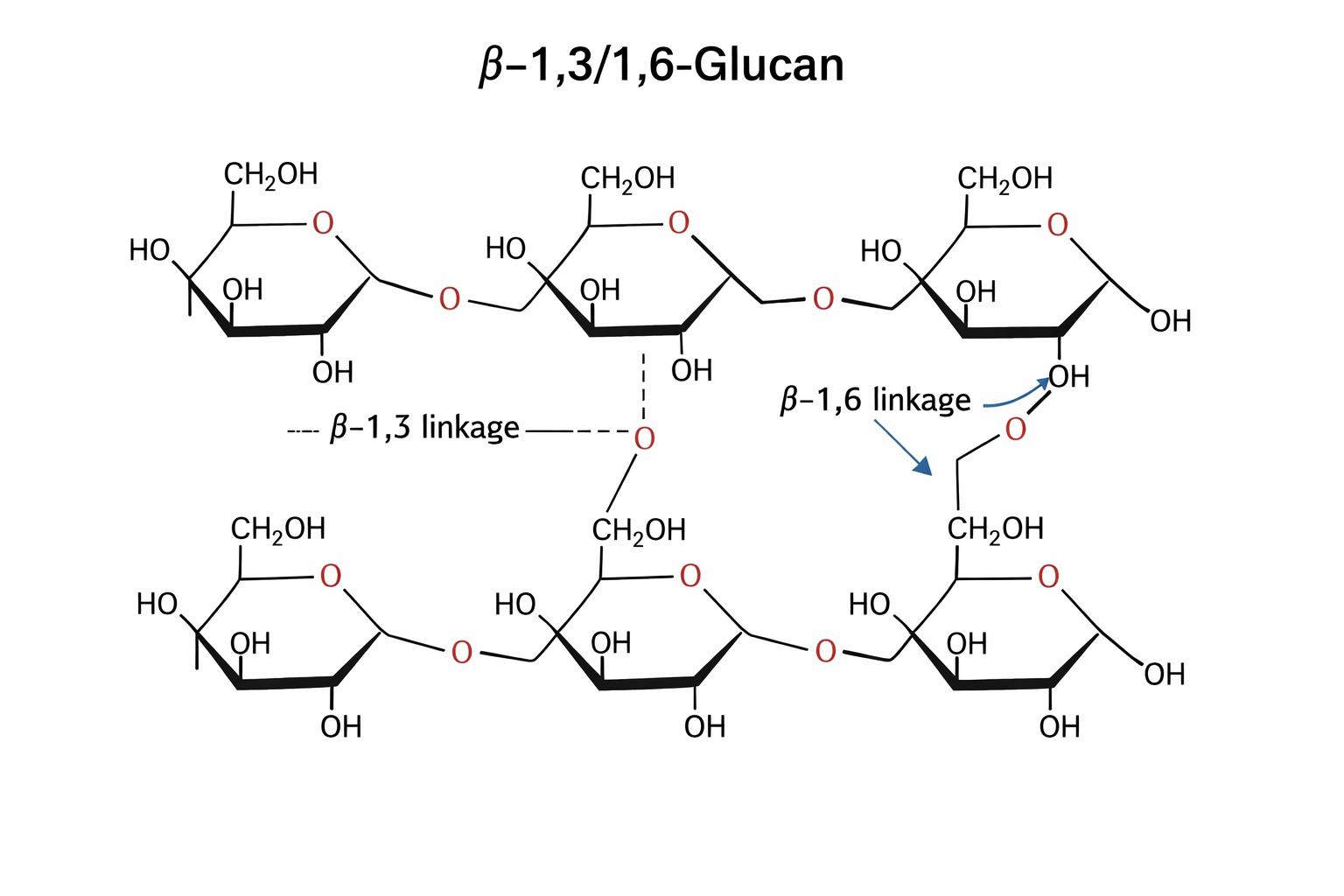
Beta-glucans are structural polysaccharides found in the fungal cell wall. In medicinal mushrooms, they are primarily:

  • β-(1→3)-D-glucans with
  • β-(1→6) branching

These structures are chemically and biologically distinct from:

  • α-glucans (starch)
  • Cereal beta-glucans found in oats or barley

Scientific research has consistently linked these mushroom-specific beta-glucans to immune modulation and other biological activities.


Is 10% Beta-Glucan the Same as 10% Polysaccharides?

No. These two terms are not equivalent, although they are often confused in the market.

Polysaccharides

Polysaccharides are a broad category that includes:

  • Beta-glucans (active)
  • Alpha-glucans (inactive starch)
  • Other carbohydrate polymers

Many suppliers still promote high “polysaccharide” values (30–50%), measured by UV spectrophotometry. However, this method does not distinguish between active and inactive fractions.

Beta-Glucans

Beta-glucan testing specifically measures:

  • β-(1→3)/(1→6)-D-glucans
  • Excludes α-glucans and starch

From a functional and regulatory perspective, beta-glucan content is a far more meaningful and stable specification than total polysaccharides.


Which International Standard Is Used to Test Beta-Glucan Content?

This is one of the most important questions for importers.

Is There an AOAC Official Method for Mushroom Beta-Glucans?

At present:现在:

  • AOAC has official methods for cereal beta-glucans
  • There is **no AOAC Official Method developed exclusively for mushroom beta-glucans

However, the total-glucan minus alpha-glucan difference method described in Journal of AOAC International is widely accepted in scientific literature for mushrooms and mycelial products.


The Megazyme K-YBGL Method: Industry-Accepted Standard

To achieve reliable, reproducible results, we use the Megazyme K-YBGL β-Glucan Assay Kit, which is globally recognised and widely implemented by professional laboratories.

Why Megazyme?

The Megazyme method:

  • Is specifically designed for yeast and mushroom beta-glucans
  • Is based on peer-reviewed AOAC-style principles
  • Is used by ISO-accredited and third-party laboratories worldwide
  • Avoids over-estimation caused by starch or sugar interference

For practical purposes, it is considered the industry standard for mushroom beta-glucan testing.


How the Megazyme K-YBGL Beta-Glucan Assay Works

The method is based on enzymatic hydrolysis and spectrophotometric quantification.

Step 1: Total Glucan Measurement

  • The sample undergoes controlled acid hydrolysis (typically sulfuric acid)
  • All glucans are broken down into D-glucose units
  • Glucose concentration is measured using glucose oxidase/peroxidase (GOPOD)
  • This gives the total glucan content

Step 2: Alpha-Glucan Measurement

  • A separate aliquot is treated with specific enzymes (e.g. glucoamylase and invertase)
  • Only α-glucans (starch-type polysaccharides) are hydrolysed
  • Glucose is again measured via GOPOD

Step 3: Beta-Glucan Calculation

Beta-glucan = Total glucan − Alpha-glucan

This difference method isolates the beta-glucan fraction accurately.。


2025 Update: Improved Accuracy of the Megazyme K-YBGL Method

In 2025, Megazyme introduced a significant methodological update.

Why the Update Was Necessary

In older protocols:

  • Maltitol (a sugar alcohol sometimes present in formulations) could interfere
  • Maltitol was mistakenly measured as part of total glucan
  • This led to over-estimated beta-glucan values

What Changed

The updated K-YBGL protocol introduced:

  • α-glucosidase pretreatment
  • Effective removal of maltitol interference
  • Improved specificity and accuracy

We fully implement this updated 2025 protocol, ensuring that reported beta-glucan values reflect true mushroom beta-glucans only.


What Instruments and Reagents Are Used?

Typical laboratory setup includes:

  • Controlled heating blocks or water baths
  • Enzymatic reagents supplied in the Megazyme kit
  • GOPOD reagent
  • UV-visible spectrophotometer
  • Analytical balance

This approach is:

  • Scientifically robust
  • Cost-effective
  • Reproducible across accredited labs

Does 10% Beta-Glucan Vary by Mushroom Species?

Yes. Beta-glucan content naturally varies depending on:

  • Species
  • Raw material quality
  • Fruiting body vs mycelium
  • Cultivation method
  • Extraction process

Typical Ranges (Fruiting Body Extracts)

  • Reishi: 15–40%
  • Lion’s Mane: 10–40%
  • Turkey Tail: 20–50%
  • Chaga: 10–40%

Setting 10% beta-glucan as a specification establishes a minimum potency threshold, especially suitable for broad-use formulations.


Fruiting Body vs Mycelium: Why It Matters

Many low-cost products on the market use mycelium grown on grain.

This often results in:

  • High α-glucan (starch) content
  • Low beta-glucan percentage
  • Inflated polysaccharide claims

We clearly specify:

  • Raw material type
  • Fruiting body only unless otherwise stated

This transparency is critical for buyers comparing specifications.


Can I Request a Third-Party Beta-Glucan Test Before Shipping?

Yes — and we strongly encourage it.

Buyers may:

  • Request pre-shipment third-party testing
  • Use ISO-accredited laboratories
  • Compare in-house COA with independent results

How to Verify Beta-Glucan Data on a COA

When reviewing a COA, buyers should check:

  1. Method stated clearly (Megazyme K-YBGL or equivalent)
  2. Result expressed as percentage by weight
  3. Batch number matches shipment
  4. Lab accreditation
  5. Reasonable correlation with species and extract type

If a supplier cannot clearly explain:

  • The method
  • The difference between beta-glucans and polysaccharides
  • Or refuses third-party testing

That is a warning sign.


How We Support Buyers Importing Mushroom Extracts from China

We work with international buyers to ensure:

  • Clear, science-based specifications
  • Megazyme K-YBGL beta-glucan testing
  • Transparent COA documentation
  • Support for regulatory compliance
  • Stable, repeatable quality

Using beta-glucan content as the core specification is more reliable than extraction ratio alone and ensures consistent functional performance in finished products.


Final Thoughts

Importing mushroom extracts from China requires more than competitive pricing. It requires technical understanding, method transparency, and verifiable data.

There is currently no single global regulatory standard dedicated exclusively to mushroom beta-glucans. However, the Megazyme K-YBGL enzymatic method, aligned with AOAC-style principles and peer-reviewed literature, is widely accepted as the most accurate and practical industry standard.

By defining specifications clearly, verifying COAs properly, and using recognised testing methods, buyers can confidently source high-quality mushroom extracts that meet both functional expectations and regulatory requirements.

How Can I Import Mushroom Extracts from China, and Which International Standard Do You Follow to Test Beta-Glucan Content?

The global demand for mushroom extracts has grown rapidly over the past decade. Functional mushrooms such as Reishi (Ganoderma lucidum), Lion’s Mane (Hericium erinaceus), Cordyceps, Chaga, and Turkey Tail are now widely used in dietary supplements, functional foods, beverages, and health formulations.

China plays a central role in this market. It is the world’s largest producer of cultivated mushrooms and one of the most important exporters of mushroom extracts. For international buyers, importing from China offers advantages in scale, cost efficiency, raw material availability, and processing capability. However, it also raises critical questions:

  • How do I import mushroom extracts from China compliantly?
  • Which international standard is used to test beta-glucan content?
  • Is beta-glucan testing based on AOAC or Megazyme methods?
  • Can I verify beta-glucan values before shipment?
  • How do I trust the data on a supplier’s Certificate of Analysis (COA)?

This article answers these questions in detail. It explains both the scientific standards behind beta-glucan testing, with a particular focus on the Megazyme K-YBGL method, which we use as our core quality benchmark.


Why Beta-Glucan Content Is Central to Mushroom Extract Quality

Among all quality indicators, beta-glucan content is the most important specification for medicinal mushroom extracts.

What Are Beta-Glucans?

Beta-glucans are structural polysaccharides found in the fungal cell wall. In medicinal mushrooms, they are primarily:

  • β-(1→3)-D-glucans with
  • β-(1→6) branching

These structures are chemically and biologically distinct from:

  • α-glucans (starch)
  • Cereal beta-glucans found in oats or barley

Scientific research has consistently linked these mushroom-specific beta-glucans to immune modulation and other biological activities.


Is 10% Beta-Glucan the Same as 10% Polysaccharides?

No. These two terms are not equivalent, although they are often confused in the market.

Polysaccharides

Polysaccharides are a broad category that includes:

  • Beta-glucans (active)
  • Alpha-glucans (inactive starch)
  • Other carbohydrate polymers

Many suppliers still promote high “polysaccharide” values (30–50%), measured by UV spectrophotometry. However, this method does not distinguish between active and inactive fractions.

Beta-Glucans

Beta-glucan testing specifically measures:

  • β-(1→3)/(1→6)-D-glucans
  • Excludes α-glucans and starch

From a functional and regulatory perspective, beta-glucan content is a far more meaningful and stable specification than total polysaccharides.


Which International Standard Is Used to Test Beta-Glucan Content?

This is one of the most important questions for importers.

Is There an AOAC Official Method for Mushroom Beta-Glucans?

At present:现在:

  • AOAC has official methods for cereal beta-glucans
  • There is **no AOAC Official Method developed exclusively for mushroom beta-glucans

However, the total-glucan minus alpha-glucan difference method described in Journal of AOAC International is widely accepted in scientific literature for mushrooms and mycelial products.


The Megazyme K-YBGL Method: Industry-Accepted Standard

To achieve reliable, reproducible results, we use the Megazyme K-YBGL β-Glucan Assay Kit, which is globally recognised and widely implemented by professional laboratories.

Why Megazyme?

The Megazyme method:

  • Is specifically designed for yeast and mushroom beta-glucans
  • Is based on peer-reviewed AOAC-style principles
  • Is used by ISO-accredited and third-party laboratories worldwide
  • Avoids over-estimation caused by starch or sugar interference

For practical purposes, it is considered the industry standard for mushroom beta-glucan testing.


How the Megazyme K-YBGL Beta-Glucan Assay Works

The method is based on enzymatic hydrolysis and spectrophotometric quantification.

Step 1: Total Glucan Measurement

  • The sample undergoes controlled acid hydrolysis (typically sulfuric acid)
  • All glucans are broken down into D-glucose units
  • Glucose concentration is measured using glucose oxidase/peroxidase (GOPOD)
  • This gives the total glucan content

Step 2: Alpha-Glucan Measurement

  • A separate aliquot is treated with specific enzymes (e.g. glucoamylase and invertase)
  • Only α-glucans (starch-type polysaccharides) are hydrolysed
  • Glucose is again measured via GOPOD

Step 3: Beta-Glucan Calculation

Beta-glucan = Total glucan − Alpha-glucan

This difference method isolates the beta-glucan fraction accurately.。


2025 Update: Improved Accuracy of the Megazyme K-YBGL Method

In 2025, Megazyme introduced a significant methodological update.

Why the Update Was Necessary

In older protocols:

  • Maltitol (a sugar alcohol sometimes present in formulations) could interfere
  • Maltitol was mistakenly measured as part of total glucan
  • This led to over-estimated beta-glucan values

What Changed

The updated K-YBGL protocol introduced:

  • α-glucosidase pretreatment
  • Effective removal of maltitol interference
  • Improved specificity and accuracy

We fully implement this updated 2025 protocol, ensuring that reported beta-glucan values reflect true mushroom beta-glucans only.


What Instruments and Reagents Are Used?

Typical laboratory setup includes:

  • Controlled heating blocks or water baths
  • Enzymatic reagents supplied in the Megazyme kit
  • GOPOD reagent
  • UV-visible spectrophotometer
  • Analytical balance

This approach is:

  • Scientifically robust
  • Cost-effective
  • Reproducible across accredited labs

Does 10% Beta-Glucan Vary by Mushroom Species?

Yes. Beta-glucan content naturally varies depending on:

  • Species
  • Raw material quality
  • Fruiting body vs mycelium
  • Cultivation method
  • Extraction process

Typical Ranges (Fruiting Body Extracts)

  • Reishi: 15–40%
  • Lion’s Mane: 10–40%
  • Turkey Tail: 20–50%
  • Chaga: 10–40%

Setting 10% beta-glucan as a specification establishes a minimum potency threshold, especially suitable for broad-use formulations.


Fruiting Body vs Mycelium: Why It Matters

Many low-cost products on the market use mycelium grown on grain.

This often results in:

  • High α-glucan (starch) content
  • Low beta-glucan percentage
  • Inflated polysaccharide claims

We clearly specify:

  • Raw material type
  • Fruiting body only unless otherwise stated

This transparency is critical for buyers comparing specifications.


Can I Request a Third-Party Beta-Glucan Test Before Shipping?

Yes — and we strongly encourage it.

Buyers may:

  • Request pre-shipment third-party testing
  • Use ISO-accredited laboratories
  • Compare in-house COA with independent results

How to Verify Beta-Glucan Data on a COA

When reviewing a COA, buyers should check:

  1. Method stated clearly (Megazyme K-YBGL or equivalent)
  2. Result expressed as percentage by weight
  3. Batch number matches shipment
  4. Lab accreditation
  5. Reasonable correlation with species and extract type

If a supplier cannot clearly explain:

  • The method
  • The difference between beta-glucans and polysaccharides
  • Or refuses third-party testing

That is a warning sign.


How We Support Buyers Importing Mushroom Extracts from China

We work with international buyers to ensure:

  • Clear, science-based specifications
  • Megazyme K-YBGL beta-glucan testing
  • Transparent COA documentation
  • Support for regulatory compliance
  • Stable, repeatable quality

Using beta-glucan content as the core specification is more reliable than extraction ratio alone and ensures consistent functional performance in finished products.


Final Thoughts

Importing mushroom extracts from China requires more than competitive pricing. It requires technical understanding, method transparency, and verifiable data.

There is currently no single global regulatory standard dedicated exclusively to mushroom beta-glucans. However, the Megazyme K-YBGL enzymatic method, aligned with AOAC-style principles and peer-reviewed literature, is widely accepted as the most accurate and practical industry standard.

By defining specifications clearly, verifying COAs properly, and using recognised testing methods, buyers can confidently source high-quality mushroom extracts that meet both functional expectations and regulatory requirements.

Thanks for your time.

we will get back to you in 12 hours.

mushroom extract supplier, mushroom powder supplier