Is Every Batch of Mushroom Extract Tested Before Shipment from China?
When importing mushroom extract from China, one of the most common concerns buyers have is whether every batch is tested before shipment. This is an important question because mushroom extracts are natural products, and quality can vary depending on raw materials, season, extraction process, and storage conditions.
For supplement brands, beverage manufacturers, and ingredient distributors, receiving a consistent and compliant product is essential. That is why professional suppliers use batch release testing systems and issue quality documents for each shipment.
Why Batch Testing Matters for Mushroom Extract Imports
Unlike synthetic chemicals, mushroom extracts are botanical ingredients. Their composition may be influenced by:
- Mushroom species and origin
- Raw material harvest conditions
- Extraction ratio and process parameters
- Drying conditions
- Packaging and storage environment
Because of this, quality should be confirmed for every production batch, not only once per year or once per product.
Batch testing helps ensure:
- Active ingredient levels remain within specification
- Heavy metals meet safety limits
- Microbiological contamination is controlled
- Appearance and odour are consistent
- The product matches previous approved lots
For serious importers, batch testing is a basic requirement.
Will I Receive a COA for Every Batch of Mushroom Extract I Import?
Yes. At Coming Herb, we issue a Certificate of Analysis (COA) for every batch of mushroom extract exported.
This means you will receive a batch-specific COA for:
- Commercial bulk orders
- Repeat orders
- Trial orders
- Sample shipments
Each COA is linked to the actual production lot and includes batch identification details.
Why This Is Important
Receiving a COA for every batch allows you to:
- Verify shipment quality before dispatch
- Keep traceable records for your QA system
- Support customs or customer audits
- Compare consistency across multiple orders
Professional buyers should always request a COA for each shipment batch.
What Testing Items Are Included in Each Batch Release Report?
At Coming Herb, each batch release report normally includes a combination of physical, chemical, and microbiological items.
Active Ingredient Testing
Depending on product type, common active markers include:
- Beta-Glucan
- Polysaccharides
- Triterpenes
- Other agreed functional compounds
These results confirm the extract meets the required potency level.
Physical Quality Checks
Each batch is checked for:
- Colour and appearance
- Odour
- Mesh size
- Flowability (where relevant)
These factors are especially important for capsules, tablets, beverages, and powder blends.
Moisture Content
Moisture is monitored to help ensure:
- Product stability
- Lower microbial risk
- Better shelf life
- Good powder flow properties
Heavy Metal Residue
Typical heavy metal controls include:
- Lead (Pb)
- Arsenic (As)
- Cadmium (Cd)
- Mercury (Hg)
This is particularly important for mushroom ingredients because fungi naturally absorb minerals from their growing environment.
Microbiological Limits
Common microbiological items include:
- Total plate count
- Yeast and mould
- Coliforms
- E. coli
- Salmonella (when required)
These tests help confirm food and supplement safety compliance.
How Do You Ensure Batch-to-Batch Consistency Before Shipment?
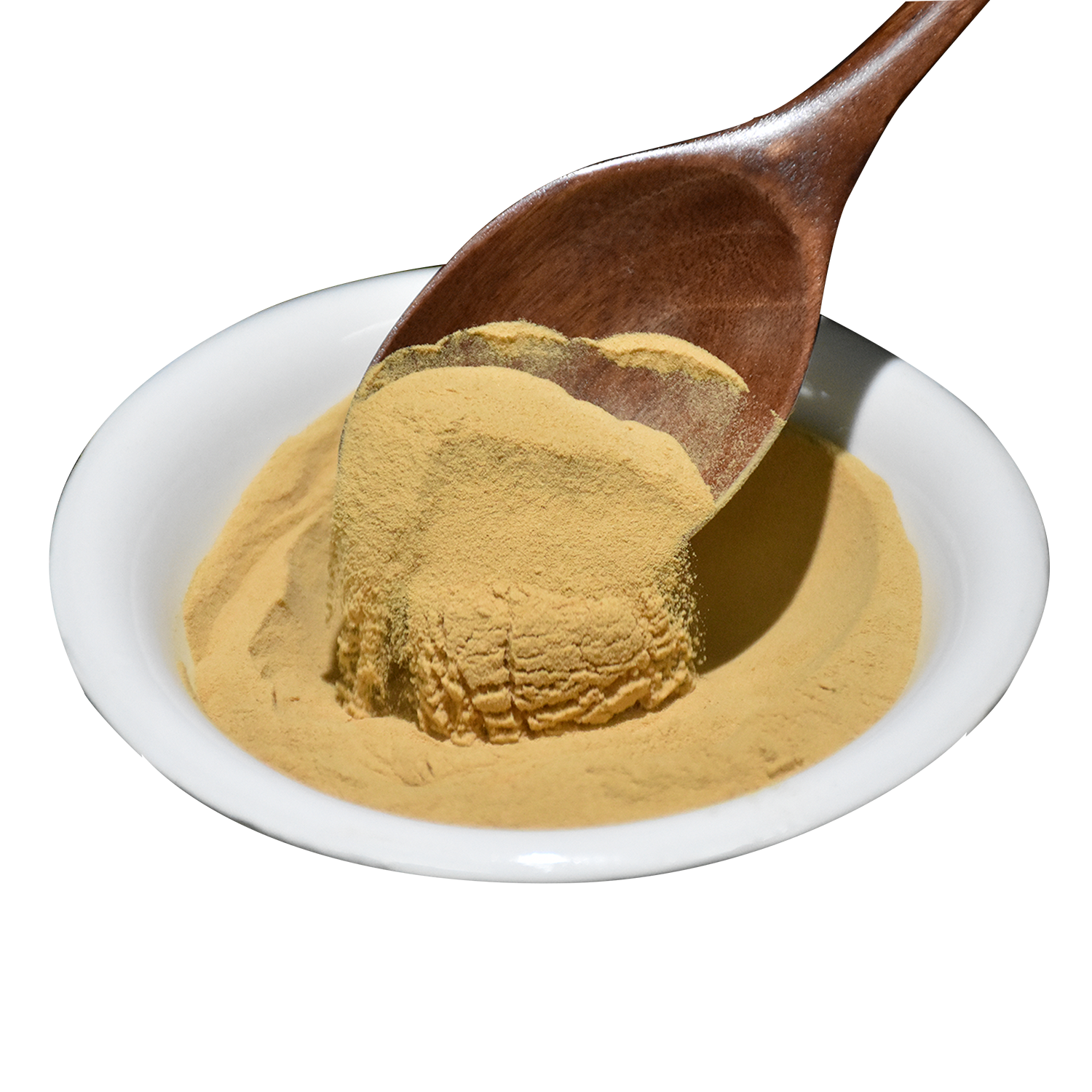
Testing numbers alone are not enough. Visual and sensory consistency also matters.
At Coming Herb, before shipment we compare the current batch against:
- The previous shipment batch
- The originally approved sample
- Internal retained reference samples
We compare:
- Colour
- Appearance
- Odour
- Mesh size
- General powder characteristics
If Significant Differences Are Found
If a batch shows abnormal deviation, we can:
- Hold the shipment
- Investigate root cause
- Rework or reproduce if necessary
- Release only conforming goods
This helps maintain continuity for customers who require stable supply.
Why Batch-to-Batch Consistency Is Important
Consistency affects your downstream business in many ways.
For Capsule or Tablet Production
Inconsistent powder may affect:
- Filling weight
- Flowability
- Tablet compression
For Beverage or Coffee Mixes
Differences may affect:
- Colour in finished drink
- Taste balance
- Solubility
For Brand Owners
Variation may lead to:
- Customer complaints
- Failed internal QA checks
- Retail rejection
That is why comparing each lot with previous approved batches is valuable.
Can I Request Third-Party Testing for Every Shipment Batch?
Yes. Coming Herb can support third-party testing for every shipment batch if required.
We maintain a long-term cooperation with Eurofins, a globally recognised independent laboratory. This allows customers to access professional testing at competitive rates.
Available Options
You may request:
- Testing for every batch
- Periodic verification testing
- Specific items only (such as Beta-Glucan or heavy metals)
- Full panel testing
Who Pays the Cost?
Third-party testing cost is normally borne by the buyer and is not included in the product quotation unless agreed in advance.
Can I Use My Own Laboratory?
Yes. You may nominate your preferred testing agency.
Sample Shipping Policy
- For laboratories located in China: we can usually send samples free of charge
- For laboratories outside China: customer pays courier shipping cost
Should Every Batch Have Third-Party Testing?
This depends on your business model.
Recommended for:
- New suppliers
- High-value retail brands
- Strict regulated markets
- Organic programmes
- New product launches
Often Enough to Use Internal COA + Periodic Third-Party Testing:
- Long-term repeat orders
- Stable mature products
- Ingredient traders with own incoming QC
Many customers choose a balanced approach: internal COA every batch, external verification quarterly or periodically.
Best Practice for Importers
To manage risk effectively:
Before First Order
Request:
- Sample
- Specification sheet
- Example COA
- Third-party report if needed
Before Every Shipment
Request:
- Final batch COA
- Packaging photos
- Shipping documents
After Arrival
Conduct:
- Incoming visual inspection
- Packaging check
- Spot testing where needed
When importing mushroom extract from China, every batch should be treated as an individual quality-controlled lot. At Coming Herb, each batch receives its own COA, and each shipment is checked for active compounds, safety indicators, and sensory consistency.
For customers requiring additional assurance, third-party testing can also be arranged for every shipment batch.
The most reliable supply chains are built on three principles:
- Test every batch
- Compare every batch
- Document every batch
When these systems are in place, importing mushroom extracts from China becomes safer, more consistent, and easier to scale.