Mushroom Extract Specifications Explained: Beta-Glucan Testing, Quality Standards & Global Sourcing Guide

Mushroom Extract Specifications Explained: Beta-Glucan Testing, Quality Standards & Global Sourcing Guide

The global mushroom extract industry has experienced rapid growth in recent years, driven by rising demand for functional foods, nutraceuticals, and plant-based health supplements. China remains one of the world’s leading producers and exporters of mushroom extracts, supplying raw materials for everything from dietary supplements to fortified beverages and cosmetics.

For international buyers, importing mushroom extracts from China can offer excellent cost efficiency and product diversity. However, navigating the technical details of extract specifications, quality testing, and authenticity verification is crucial to ensuring regulatory compliance and product consistency.

This article explores how to import mushroom extracts from China effectively and explains how to define, interpret, and measure the specifications of mushroom powders and extracts. It provides practical insights into key quality parameters, testing methods, and documentation requirements that B2B buyers should understand before placing an order.


What Testing Parameters Define Mushroom Powder vs. Mushroom Extract Quality?

When sourcing mushroom ingredients, understanding the difference between mushroom powder and mushroom extract is the foundation of any quality control process.

1. Physical Parameters and Organoleptic Qualities

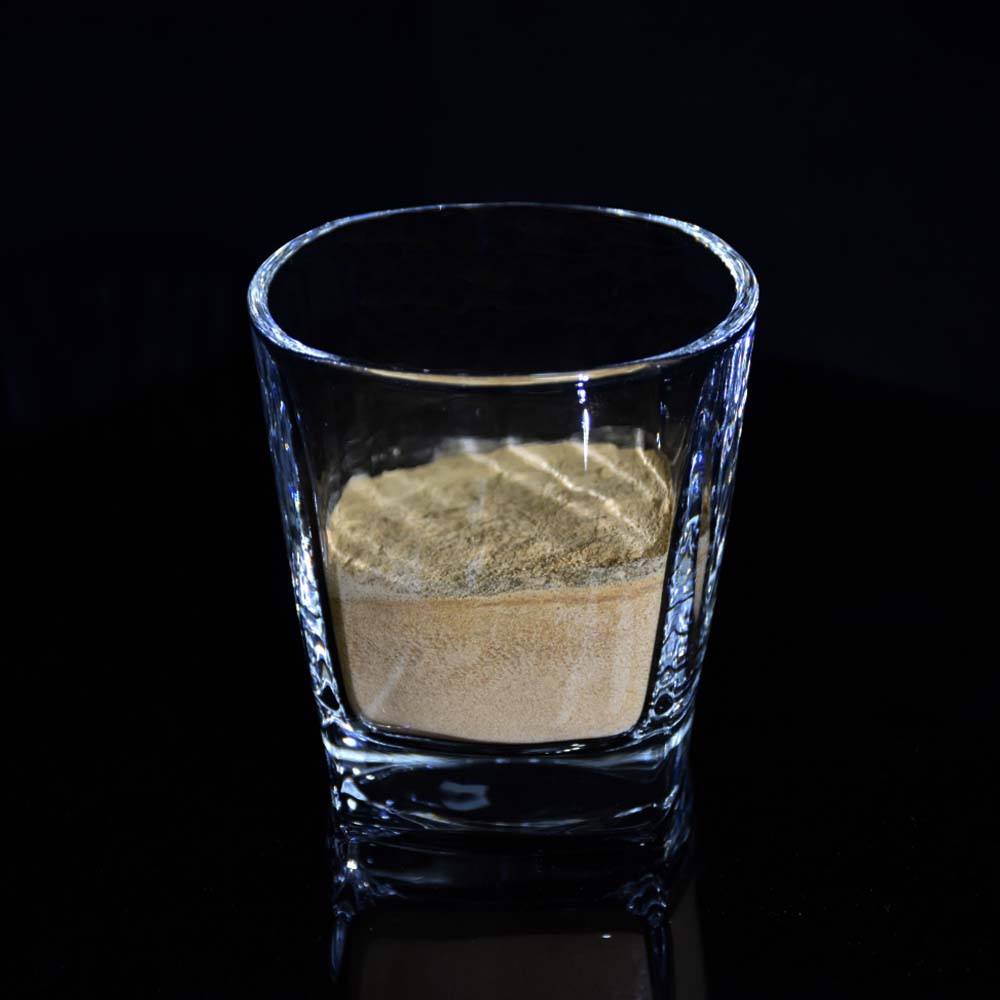
Both mushroom powders and extracts are typically supplied as fine, free-flowing powders. Key physical specifications often listed on a supplier’s Certificate of Analysis (COA) include:

  • Appearance: Fine brown or yellow-brown powder
  • Odour and taste: Characteristic mushroom flavour, no foreign smell
  • Particle size: “100% pass 80 mesh” (indicating uniform fineness)
  • Moisture (Loss on drying): ≤5–7%
  • Ash content: ≤5–9%

These physical indicators not only affect product stability and shelf life but also impact mixability and bioavailability in finished formulations such as capsules, drink mixes, or gummies.

Maintaining a low moisture level (ideally below 7%) is particularly important for preventing microbial growth and ensuring the product remains stable during storage and shipping.


2. Active Compound Specification

Unlike simple ground powders, mushroom extracts are concentrated preparations. The key parameter defining their potency is the active compound content—most often expressed as a percentage of polysaccharides or β-glucans.

Typical specifications include:

  • Polysaccharides: 10%–50% (measured by UV spectroscopy)
  • β-Glucans: 10%–40% (measured using enzymatic assays such as Megazyme K-YBGL)

It is important to distinguish between these two metrics.

  • Total polysaccharide values can be misleading, as they include both beneficial β-glucans and non-active α-glucans (often derived from grain substrates).
  • β-glucan content, on the other hand, specifically measures the immunologically active fraction found in true mushroom fruiting bodies.

For example, a fruiting body extract of Reishi (Ganoderma lucidum) may contain 10–40% β-glucans, whereas a mycelium-on-grain product might contain only 5–7% due to dilution with starch.


3. Extraction Ratio

Suppliers often describe extracts using a ratio such as 10:1, 20:1, or 50:1. This means that 10 (or 20, or 50) kilograms of dried mushrooms were used to produce one kilogram of extract. While this ratio implies concentration, it does not necessarily reflect bioactive potency—the ratio should always be verified with actual testing data for β-glucans, triterpenoids, or other actives.

For instance, a 20:1 extract may be less potent than a 10:1 extract if the extraction process failed to recover the key active compounds efficiently.


4. Contaminant and Safety Tests

To ensure product safety, suppliers and importers must verify compliance with heavy metal and microbiological limits. Common parameters include:

ParameterTypical Limit
Lead (Pb)<3 ppm
Arsenic (As)<2 ppm
Cadmium (Cd)<1 ppm
Mercury (Hg)<0.1 ppm
Total Plate Count<10,000 CFU/g
Yeast & Moulds<1,000 CFU/g
Salmonella / E. coliNegative

5. Shelf Life, Packaging, and Storage

A well-documented specification sheet will include:

  • Shelf life: typically 36 months
  • Storage: cool, dry, sealed environment
  • Packaging: food-grade double-layer bags and drums

Proper packaging and moisture control are crucial for preventing oxidation and microbial degradation during international shipping.


How Do I Interpret Specification Terms Like Ratio Extract or Beta-Glucan Percentage?

Specification sheets can appear technical and confusing for new importers. Let’s break down the most common terms and what they truly mean.

1. Ratio Extract (10:1, 20:1, etc.)

As mentioned earlier, the ratio indicates the mass of raw mushroom used to produce one unit of extract. However, it’s not a direct potency indicator—an extract labelled “20:1” could vary widely in actual active content depending on solvent, temperature, and extraction efficiency.

To validate extract concentration:

  • Request test results for β-glucan (Megazyme assay) and/or triterpenoid content (HPLC analysis).
  • Confirm that the extract was derived from fruiting bodies rather than mycelium on grain.

2. Beta-Glucan Percentage

β-glucans are the primary immunomodulatory compounds in mushrooms. A value such as “30% β-glucan” means that 30 grams of β-glucans are present per 100 grams of extract powder. The Megazyme β-Glucan Assay is the industry standard method for accurate quantification.

As a rule of thumb:

  • Fruiting body extracts: 20–50% β-glucans
  • Mycelium-based extracts: 5–10% β-glucans

High β-glucan content signals a high-quality extract.

3. Polysaccharide Percentage

Polysaccharide content (commonly 10–50%) is measured by UV spectroscopy but includes both β- and α-glucans. While polysaccharides indicate carbohydrate concentration, they don’t necessarily represent biological activity. Buyers should therefore prioritise β-glucan-specific data for functional or therapeutic product formulations.

4. Triterpenoid Content

Species such as Ganoderma lucidum (Reishi) and Antrodia camphorata are valued for triterpenoids like ganoderic acids, measurable by HPLC.

5. Solvent and Extraction Method

The extraction method greatly influences active compound profiles:

  • Hot water extraction: extracts polysaccharides and β-glucans
  • Alcohol extraction: extracts triterpenoids and sterols
  • Dual extraction: combines both for full-spectrum extracts

Always request documentation specifying whether the product was water, ethanol, or dual extracted, as this affects both efficacy and marketing claims.


Are All Mushroom Powders Standardised in the Same Way Across Suppliers?

No—standardisation in the mushroom extract industry is far from universal. Different suppliers in China may define “30% polysaccharide” or “20:1 extract” differently, depending on analytical methods, raw material type, and processing technology.

1. Raw Material Variability

  • Fruiting body extracts contain genuine mushroom tissue and high β-glucan levels.
  • Mycelium-on-grain extracts (often cheaper) are heavily diluted with grain starch and have limited active compounds.

Buyers should specify fruiting body only in their purchasing contracts to ensure consistent quality.

2. Analytical Method Differences

Testing methods vary:

  • UV spectroscopy measures total polysaccharides (less specific).
  • Megazyme enzymatic assay isolates β-glucans specifically.
  • HPLC quantifies secondary metabolites such as triterpenoids.

To avoid confusion, importers should request details of the testing method used on each COA.

3. Processing and Carrier Agents

Some suppliers may add maltodextrin or dextrin as carriers to improve powder flowability. While this is acceptable at low percentages, the total carrier content should be declared and limited (<10%).

4. Certification and Compliance

Reputable Chinese manufacturers hold:

  • Organic certification (EU, USDA, or CNAS)
  • GMP (Good Manufacturing Practice)
  • ISO and HACCP compliance
  • Clean room production facilities for final processing

When selecting suppliers, verify these certifications and check their validity via official registries.


How Can I Confirm the Authenticity of a Specification When Importing from China?

Importing botanical ingredients requires due diligence. Many issues in the mushroom extract trade arise from incomplete documentation, mislabelled ratios, or inflated polysaccharide claims. Here are the steps you should take to confirm authenticity.

1. Request a Comprehensive Certificate of Analysis (COA)

A proper COA should list:

  • Product name and Latin name
  • Plant part used (fruiting body / mycelium)
  • Testing parameters (polysaccharides, β-glucans, moisture, ash, heavy metals, microbial limits)
  • Analytical methods (UV, HPLC, ICP-MS, Megazyme, etc.)
  • Batch number and date

Ensure the COA is signed and dated by the manufacturer’s QA department and preferably verified by an independent third-party lab.
确保 COA 由制造商的质量保证部门签字并注明日期,最好由独立的第三方实验室进行验证。


2. Conduct Independent Laboratory Verification

For high-value imports, it’s good practice to perform third-party testing before final payment or after shipment arrival. Independent testing can confirm:

  • β-glucan content (Megazyme K-YBGL)
  • Heavy metals (ICP-MS)
  • Pesticide residues (GC-MS)
  • Microbial safety (ISO microbiological tests)
  • DNA authentication (PCR analysis for species identity)

These checks protect against adulteration or substitution—especially common when suppliers use mycelium or other cheaper ingredients in place of true mushroom extracts.


3. Establish Internal Acceptance Criteria

Each importer should maintain an internal specification standard, typically aligned with local regulatory frameworks such as the EU Novel Foods Regulation, US FDA dietary supplement guidelines, or FSANZ standards.

Example acceptance criteria might include:

  • β-glucan ≥ 20%
  • Moisture ≤ 7%
  • Lead < 1 ppm
  • Salmonella negative
  • Product from fruiting body only

Setting stricter internal standards than the supplier ensures consistent product quality across batches and compliance in your target market.


4. Assess Documentation and Certification

Before importing, review:

  • Organic/GMP/ISO certificates
  • MSDS (Material Safety Data Sheet)
  • Allergen statements and GMO-free declarations
  • Packaging and labelling conformity

For European buyers, ensure compliance with REACH and EFSA safety requirements. For the US, confirm alignment with USP and FDA 21 CFR Part 111 dietary supplement standards.


6. Conduct Pilot Shipments and Batch Comparisons

Before committing to large orders, importers should trial small pilot batches and compare physical and analytical results between lots. Visual consistency, solubility, and flavour profile can all reveal inconsistencies in processing or raw material sourcing.


Practical Guide: Steps for Importing Mushroom Extracts from China

  1. Identify reputable suppliers with organic certification,ISO and GMP.
  2. Request full product specifications and COA, including analytical methods.
  3. Clarify raw material source (fruiting body vs. mycelium).
  4. Confirm extraction method (water, ethanol, or dual).
  5. Verify active compound levels (β-glucans, triterpenoids, etc.).
  6. Review safety data for heavy metals, microbes, and pesticide residues.
  7. Define internal specifications based on your regulatory market.
  8. Order samples and conduct third-party testing for verification.
  9. Negotiate clear terms on quality, documentation, and non-conformance handling.
  10. Maintain traceability records for all imported lots.

Importing mushroom extracts from China offers substantial advantages in product diversity, cost, and availability—but it requires technical understanding and vigilance.

Successful importers take the time to define their specification standards, verify supplier claims through laboratory testing, and ensure full transparency across the supply chain.

By mastering the interpretation of specification terms like β-glucan percentage, polysaccharide content, and extraction ratio, buyers can differentiate between premium extracts and low-quality imitations, ensuring both product efficacy and regulatory compliance in global markets.

Whether you’re sourcing Reishi, Lion’s Mane, or Cordyceps extracts, consistency begins with clear specifications and ends with data-driven verification.

Mushroom Extract Specifications Explained: Beta-Glucan Testing, Quality Standards & Global Sourcing Guide

The global mushroom extract industry has experienced rapid growth in recent years, driven by rising demand for functional foods, nutraceuticals, and plant-based health supplements. China remains one of the world’s leading producers and exporters of mushroom extracts, supplying raw materials for everything from dietary supplements to fortified beverages and cosmetics.

For international buyers, importing mushroom extracts from China can offer excellent cost efficiency and product diversity. However, navigating the technical details of extract specifications, quality testing, and authenticity verification is crucial to ensuring regulatory compliance and product consistency.

This article explores how to import mushroom extracts from China effectively and explains how to define, interpret, and measure the specifications of mushroom powders and extracts. It provides practical insights into key quality parameters, testing methods, and documentation requirements that B2B buyers should understand before placing an order.


What Testing Parameters Define Mushroom Powder vs. Mushroom Extract Quality?

When sourcing mushroom ingredients, understanding the difference between mushroom powder and mushroom extract is the foundation of any quality control process.

1. Physical Parameters and Organoleptic Qualities

Both mushroom powders and extracts are typically supplied as fine, free-flowing powders. Key physical specifications often listed on a supplier’s Certificate of Analysis (COA) include:

  • Appearance: Fine brown or yellow-brown powder
  • Odour and taste: Characteristic mushroom flavour, no foreign smell
  • Particle size: “100% pass 80 mesh” (indicating uniform fineness)
  • Moisture (Loss on drying): ≤5–7%
  • Ash content: ≤5–9%

These physical indicators not only affect product stability and shelf life but also impact mixability and bioavailability in finished formulations such as capsules, drink mixes, or gummies.

Maintaining a low moisture level (ideally below 7%) is particularly important for preventing microbial growth and ensuring the product remains stable during storage and shipping.


2. Active Compound Specification

Unlike simple ground powders, mushroom extracts are concentrated preparations. The key parameter defining their potency is the active compound content—most often expressed as a percentage of polysaccharides or β-glucans.

Typical specifications include:

  • Polysaccharides: 10%–50% (measured by UV spectroscopy)
  • β-Glucans: 10%–40% (measured using enzymatic assays such as Megazyme K-YBGL)

It is important to distinguish between these two metrics.

  • Total polysaccharide values can be misleading, as they include both beneficial β-glucans and non-active α-glucans (often derived from grain substrates).
  • β-glucan content, on the other hand, specifically measures the immunologically active fraction found in true mushroom fruiting bodies.

For example, a fruiting body extract of Reishi (Ganoderma lucidum) may contain 10–40% β-glucans, whereas a mycelium-on-grain product might contain only 5–7% due to dilution with starch.


3. Extraction Ratio

Suppliers often describe extracts using a ratio such as 10:1, 20:1, or 50:1. This means that 10 (or 20, or 50) kilograms of dried mushrooms were used to produce one kilogram of extract. While this ratio implies concentration, it does not necessarily reflect bioactive potency—the ratio should always be verified with actual testing data for β-glucans, triterpenoids, or other actives.

For instance, a 20:1 extract may be less potent than a 10:1 extract if the extraction process failed to recover the key active compounds efficiently.


4. Contaminant and Safety Tests

To ensure product safety, suppliers and importers must verify compliance with heavy metal and microbiological limits. Common parameters include:

ParameterTypical Limit
Lead (Pb)<3 ppm
Arsenic (As)<2 ppm
Cadmium (Cd)<1 ppm
Mercury (Hg)<0.1 ppm
Total Plate Count<10,000 CFU/g
Yeast & Moulds<1,000 CFU/g
Salmonella / E. coliNegative

5. Shelf Life, Packaging, and Storage

A well-documented specification sheet will include:

  • Shelf life: typically 36 months
  • Storage: cool, dry, sealed environment
  • Packaging: food-grade double-layer bags and drums

Proper packaging and moisture control are crucial for preventing oxidation and microbial degradation during international shipping.


How Do I Interpret Specification Terms Like Ratio Extract or Beta-Glucan Percentage?

Specification sheets can appear technical and confusing for new importers. Let’s break down the most common terms and what they truly mean.

1. Ratio Extract (10:1, 20:1, etc.)

As mentioned earlier, the ratio indicates the mass of raw mushroom used to produce one unit of extract. However, it’s not a direct potency indicator—an extract labelled “20:1” could vary widely in actual active content depending on solvent, temperature, and extraction efficiency.

To validate extract concentration:

  • Request test results for β-glucan (Megazyme assay) and/or triterpenoid content (HPLC analysis).
  • Confirm that the extract was derived from fruiting bodies rather than mycelium on grain.

2. Beta-Glucan Percentage

β-glucans are the primary immunomodulatory compounds in mushrooms. A value such as “30% β-glucan” means that 30 grams of β-glucans are present per 100 grams of extract powder. The Megazyme β-Glucan Assay is the industry standard method for accurate quantification.

As a rule of thumb:

  • Fruiting body extracts: 20–50% β-glucans
  • Mycelium-based extracts: 5–10% β-glucans

High β-glucan content signals a high-quality extract.

3. Polysaccharide Percentage

Polysaccharide content (commonly 10–50%) is measured by UV spectroscopy but includes both β- and α-glucans. While polysaccharides indicate carbohydrate concentration, they don’t necessarily represent biological activity. Buyers should therefore prioritise β-glucan-specific data for functional or therapeutic product formulations.

4. Triterpenoid Content

Species such as Ganoderma lucidum (Reishi) and Antrodia camphorata are valued for triterpenoids like ganoderic acids, measurable by HPLC.

5. Solvent and Extraction Method

The extraction method greatly influences active compound profiles:

  • Hot water extraction: extracts polysaccharides and β-glucans
  • Alcohol extraction: extracts triterpenoids and sterols
  • Dual extraction: combines both for full-spectrum extracts

Always request documentation specifying whether the product was water, ethanol, or dual extracted, as this affects both efficacy and marketing claims.


Are All Mushroom Powders Standardised in the Same Way Across Suppliers?

No—standardisation in the mushroom extract industry is far from universal. Different suppliers in China may define “30% polysaccharide” or “20:1 extract” differently, depending on analytical methods, raw material type, and processing technology.

1. Raw Material Variability

  • Fruiting body extracts contain genuine mushroom tissue and high β-glucan levels.
  • Mycelium-on-grain extracts (often cheaper) are heavily diluted with grain starch and have limited active compounds.

Buyers should specify fruiting body only in their purchasing contracts to ensure consistent quality.

2. Analytical Method Differences

Testing methods vary:

  • UV spectroscopy measures total polysaccharides (less specific).
  • Megazyme enzymatic assay isolates β-glucans specifically.
  • HPLC quantifies secondary metabolites such as triterpenoids.

To avoid confusion, importers should request details of the testing method used on each COA.

3. Processing and Carrier Agents

Some suppliers may add maltodextrin or dextrin as carriers to improve powder flowability. While this is acceptable at low percentages, the total carrier content should be declared and limited (<10%).

4. Certification and Compliance

Reputable Chinese manufacturers hold:

  • Organic certification (EU, USDA, or CNAS)
  • GMP (Good Manufacturing Practice)
  • ISO and HACCP compliance
  • Clean room production facilities for final processing

When selecting suppliers, verify these certifications and check their validity via official registries.


How Can I Confirm the Authenticity of a Specification When Importing from China?

Importing botanical ingredients requires due diligence. Many issues in the mushroom extract trade arise from incomplete documentation, mislabelled ratios, or inflated polysaccharide claims. Here are the steps you should take to confirm authenticity.

1. Request a Comprehensive Certificate of Analysis (COA)

A proper COA should list:

  • Product name and Latin name
  • Plant part used (fruiting body / mycelium)
  • Testing parameters (polysaccharides, β-glucans, moisture, ash, heavy metals, microbial limits)
  • Analytical methods (UV, HPLC, ICP-MS, Megazyme, etc.)
  • Batch number and date

Ensure the COA is signed and dated by the manufacturer’s QA department and preferably verified by an independent third-party lab.
确保 COA 由制造商的质量保证部门签字并注明日期,最好由独立的第三方实验室进行验证。


2. Conduct Independent Laboratory Verification

For high-value imports, it’s good practice to perform third-party testing before final payment or after shipment arrival. Independent testing can confirm:

  • β-glucan content (Megazyme K-YBGL)
  • Heavy metals (ICP-MS)
  • Pesticide residues (GC-MS)
  • Microbial safety (ISO microbiological tests)
  • DNA authentication (PCR analysis for species identity)

These checks protect against adulteration or substitution—especially common when suppliers use mycelium or other cheaper ingredients in place of true mushroom extracts.


3. Establish Internal Acceptance Criteria

Each importer should maintain an internal specification standard, typically aligned with local regulatory frameworks such as the EU Novel Foods Regulation, US FDA dietary supplement guidelines, or FSANZ standards.

Example acceptance criteria might include:

  • β-glucan ≥ 20%
  • Moisture ≤ 7%
  • Lead < 1 ppm
  • Salmonella negative
  • Product from fruiting body only

Setting stricter internal standards than the supplier ensures consistent product quality across batches and compliance in your target market.


4. Assess Documentation and Certification

Before importing, review:

  • Organic/GMP/ISO certificates
  • MSDS (Material Safety Data Sheet)
  • Allergen statements and GMO-free declarations
  • Packaging and labelling conformity

For European buyers, ensure compliance with REACH and EFSA safety requirements. For the US, confirm alignment with USP and FDA 21 CFR Part 111 dietary supplement standards.


6. Conduct Pilot Shipments and Batch Comparisons

Before committing to large orders, importers should trial small pilot batches and compare physical and analytical results between lots. Visual consistency, solubility, and flavour profile can all reveal inconsistencies in processing or raw material sourcing.


Practical Guide: Steps for Importing Mushroom Extracts from China

  1. Identify reputable suppliers with organic certification,ISO and GMP.
  2. Request full product specifications and COA, including analytical methods.
  3. Clarify raw material source (fruiting body vs. mycelium).
  4. Confirm extraction method (water, ethanol, or dual).
  5. Verify active compound levels (β-glucans, triterpenoids, etc.).
  6. Review safety data for heavy metals, microbes, and pesticide residues.
  7. Define internal specifications based on your regulatory market.
  8. Order samples and conduct third-party testing for verification.
  9. Negotiate clear terms on quality, documentation, and non-conformance handling.
  10. Maintain traceability records for all imported lots.

Importing mushroom extracts from China offers substantial advantages in product diversity, cost, and availability—but it requires technical understanding and vigilance.

Successful importers take the time to define their specification standards, verify supplier claims through laboratory testing, and ensure full transparency across the supply chain.

By mastering the interpretation of specification terms like β-glucan percentage, polysaccharide content, and extraction ratio, buyers can differentiate between premium extracts and low-quality imitations, ensuring both product efficacy and regulatory compliance in global markets.

Whether you’re sourcing Reishi, Lion’s Mane, or Cordyceps extracts, consistency begins with clear specifications and ends with data-driven verification.

Thanks for your time.

we will get back to you in 12 hours.

mushroom extract supplier, mushroom powder supplier