The “30:1” Mushroom Extract You Bought Might Just Be a Marketing Number

The "30:1" Mushroom Extract You Bought Might Just Be a Marketing Number

How to Understand, Define, and Measure Mushroom Powder & Extract Specifications

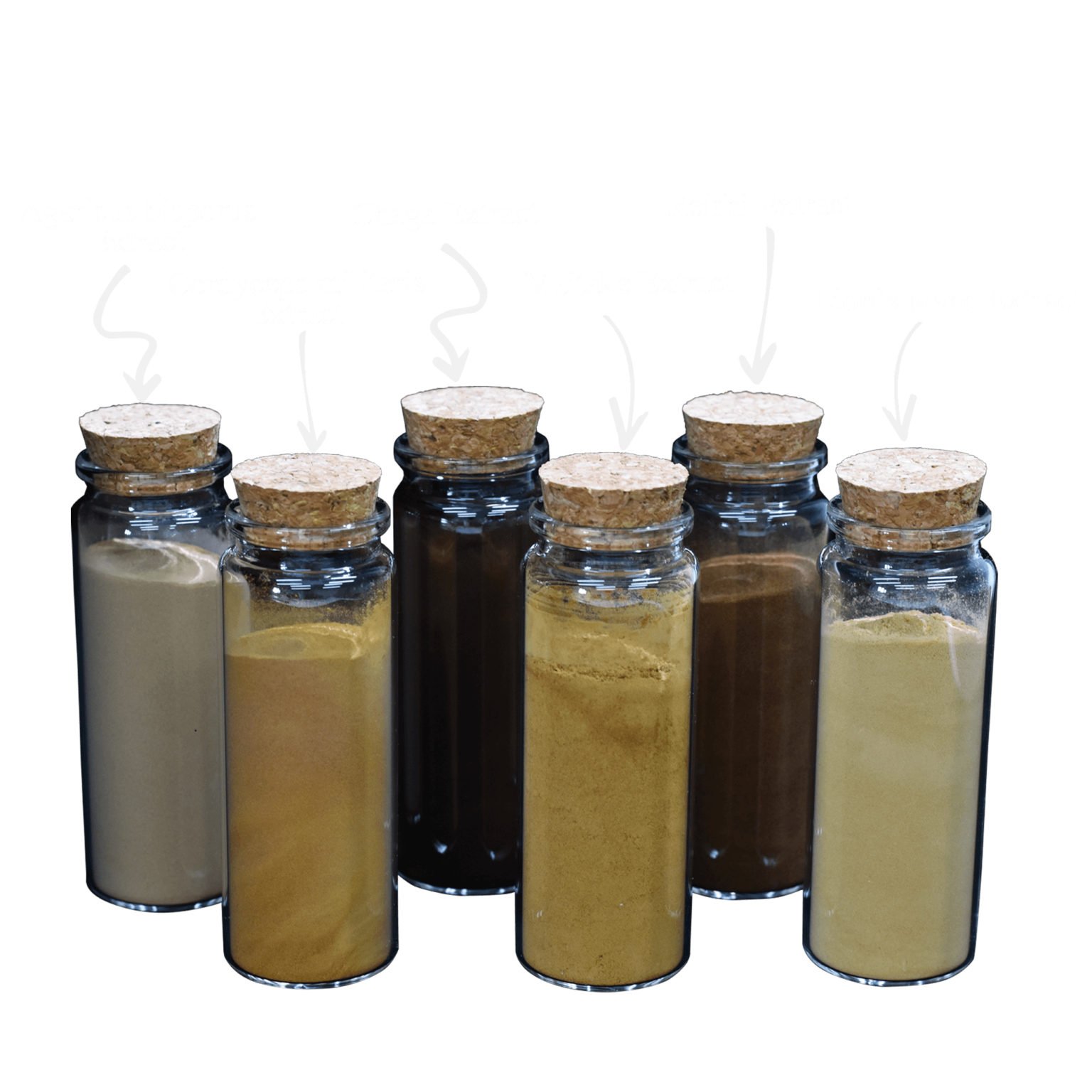
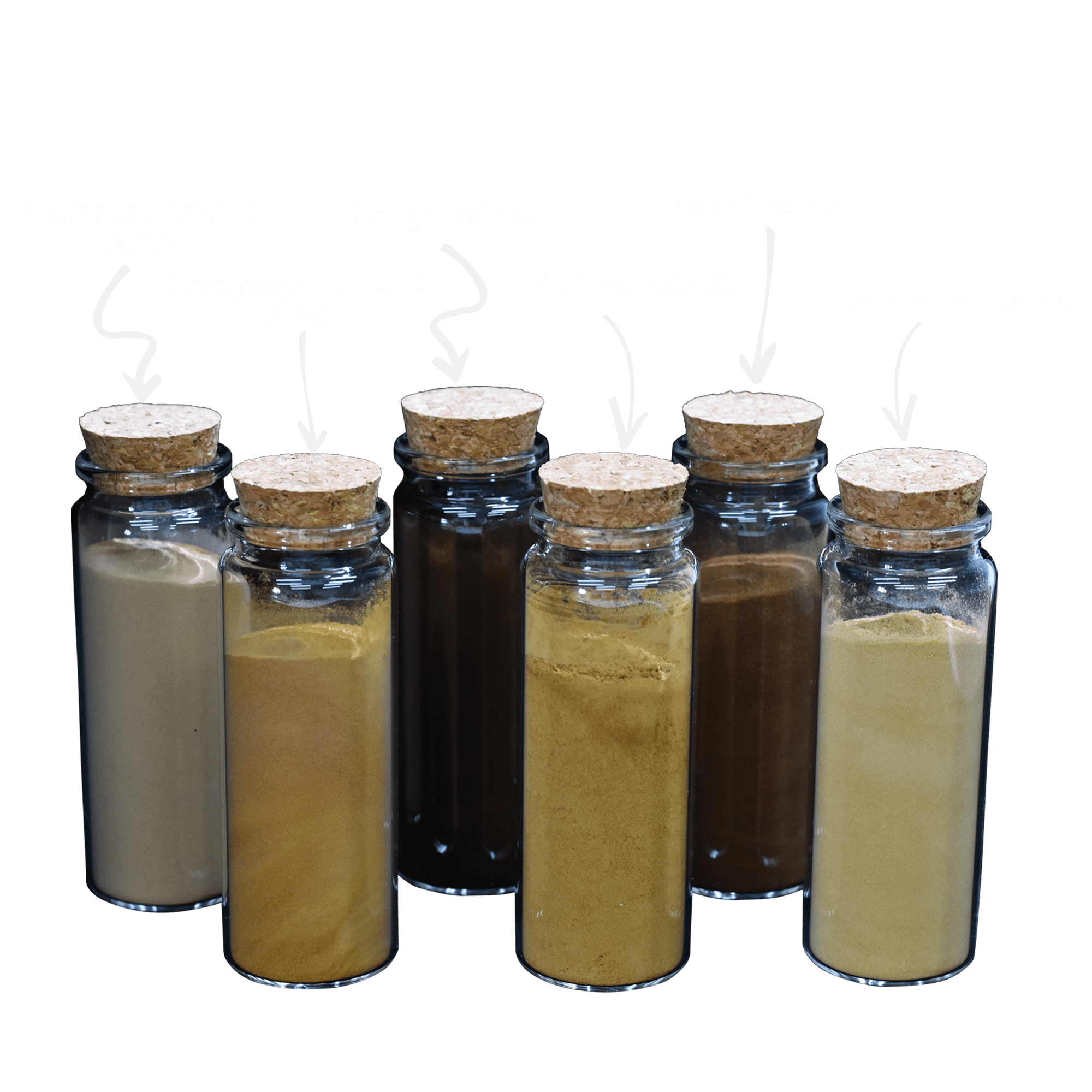
The global mushroom extract market is expanding rapidly as consumers and manufacturers embrace the benefits of functional mushrooms. Ingredients such as Lion’s Mane, Reishi, Cordyceps, Turkey Tail, and Chaga have become essential for companies in the nutritional supplement, functional food, beverage, and nutraceutical sectors.

China remains the world’s largest producer and exporter of mushroom extracts. It holds decades of cultivation experience, advanced extraction technology, and the ability to offer large-scale, consistent, and cost-effective supply. However, many overseas buyers still struggle with questions such as:

  • How do I safely and legally import mushroom extracts from China?
  • How should I define quality specifications?
  • What extraction ratios actually mean?
  • How do suppliers measure β-glucans, polysaccharides, and other key markers?
  • Why do some extracts have exaggerated numbers?

This guide offers a clear, comprehensive explanation based on industry standards and scientific accuracy. It also outlines how our company supports global buyers with accurate testing, reliable specifications, and professional export services for mushroom extracts.


Understanding Mushroom Extract Products: Powder vs Extract

To import mushroom ingredients confidently, buyers must first understand the two main product types available from China:

1. Mushroom Powder (Raw Powder)

This is simply the fruiting body (or occasionally the mycelium) dried and ground into a fine powder.
Key points:

  • No active compound enrichment
  • Nutrients remain in natural proportions
  • Often used in functional foods and low-dose supplements
  • Typically non-standardised

2. Mushroom Extract

This is a concentrated active ingredient obtained through hot-water extraction (most common) or alcohol extraction (for triterpenes and fat-soluble compounds).
Key points:

  • Active compounds enriched
  • Extraction ratio clearly defined
  • Often standardised for β-glucans, triterpenes, cordycepin, etc.
  • Creates stronger functional benefits
  • Most popular for dietary supplements

Your choice depends on formulation requirements, cost, potency expectations, and regulatory needs.


The True Meaning of Extraction Ratios (10:1, 20:1, and More)

Extraction ratios are widely misunderstood in the global mushroom market. Many suppliers use exaggerated ratios as a marketing tool, leading to confusion among buyers.

What an Extraction Ratio Actually Means

If a product is labelled 10:1, it means:

  • 10 kg of dried mushrooms were used
  • to produce 1 kg of extract
    However, this ratio does not measure potency. It only expresses the concentration process, not the bioactive content.

Why Buyers Should Not Rely on Ratios Alone

Extraction ratios tell you nothing about:

  • β-glucan level
  • α-glucan level

Two 10:1 extracts can vary dramatically in active compounds depending on the raw material and extraction process.

Internal vs Commercial Extraction Ratios

The processing of factories use an internal (true) extraction ratio, based on the real quantity of raw material used.
Marketing teams often convert this into a “commercial extraction ratio”, which may appear higher (e.g., “30:1” instead of “10:1”).
This leads to confusing or inflated labels.

Our Standard: Clear, Honest, Science-Based Specification

Our company avoids commercial exaggeration. We only provide scientific, accurate extraction ratios based on real raw materials. We also provide β-glucan testing via the Megazyme K-YBGL method, ensuring buyers understand the true potency of each extract.


Key Specification Indicators for Mushroom Extracts

To define quality correctly when importing from China, buyers must focus on measurable indicators. Below are the industry-accepted parameters we use for production and lab testing.

1. β-Glucans (Active Polysaccharides)

This is the most important quality marker in functional mushrooms.

  • The β-glucans found in mushrooms are polysaccharides distinctively linked in β-(1→3), β-(1→6) structures.
  • These differ from plant fibres like oat β-glucans (β-1→4, β-1→3).
  • Mushroom β-glucans are responsible for most immune-modulating functions.

How We Measure β-Glucans

We use the Megazyme K-YBGL enzymatic method, the global standard scientifically recommended for mushroom β-glucan analysis.

Why This Matters

The Megazyme method:

  • Separates α-glucans from β-glucans
  • Avoids false positives from starch and fillers
  • Offers accurate, reproducible results

All our extracts maintain at least 10% β-glucan (guaranteed), giving buyers confidence in active compound levels.

2. Total Polysaccharides

Many suppliers still advertise high polysaccharide levels (30–50%), but this figure includes all carbohydrate types, not only bioactive ones.
Polysaccharide measurements often include:

  • β-glucans (active)
  • α-glucans (inactive starches)
  • Other carbohydrates

The total number is not a reliable indicator of potency.

Our Position

We prioritise β-glucan testing over total polysaccharides.
This reflects modern scientific standards and ensures transparency.


3. Moisture Content

Industry standard:

  • ≤ 7%

Low moisture ensures:

  • Longer shelf life
  • Better stability
  • Lower microbial activity

4. Ash Content

Typical range for mushroom extracts:

  • 5–10%

Ash reflects the mineral content present in mushrooms.


5. Heavy Metals

We follow international export standards:

  • Lead (Pb)
  • Arsenic (As)
  • Cadmium (Cd)
  • Mercury (Hg)

All must meet EU, US, and JP pharmacopeia requirements.


6. Microbiological Indicators

We test for:

  • Total Plate Count
  • Yeast & Mould
  • E. coli
  • Salmonella

All results must meet food-grade export standards.


How to Import Mushroom Extracts from China: Step-by-Step

Below is the complete process we use to support global buyers, from sourcing to customs clearance.


Step 1: Define Specification Clearly

Your specification should include:

  • Mushroom species
  • Extract type (hot-water, alcohol, full-spectrum, fermented)
  • Active markers (e.g., ≥10% β-glucans)
  • Testing method (Megazyme K-YBGL recommended)
  • Mesh size
  • Colour, taste, and appearance
  • Microbial limits
  • Heavy metal limits

Step 2: Request COA + Third-Party Testing

A reliable supplier should provide:

  • In-house
  • Third-party lab report (optional)

We support testing through Eurofins labs.


Step 3: Confirm Certificates & Compliance Documents

Depending on destination country, you may need:

  • HS code
  • MSDS
  • COA
  • Certificate of Origin
  • Organic Certification
  • ISO / GMP documentation

Step 4: Conduct Sample Evaluation

We recommend testing:

  • Taste and colour
  • Particle size
  • β-glucan content
  • Microbial levels

Step 5: Place the Order & Begin Production

Typical lead time for mushroom extracts:

  • 5–10 days for production
  • 5–10 days for QA testing
  • 5–7 days for export(by air) logistics

We maintain strong production capacity for bulk orders.


Step 6: Shipping & Customs Clearance

We arrange:

  • Air freight
  • Sea freight
  • Express (DHL, FedEx, UPS)

All exported batches come with:

  • Batch number
  • COA
  • Packing list
  • Invoice

We assist buyers with customs clearance.


The Biggest Import Risks — And How We Avoid Them

Many buyers experience issues when sourcing mushroom extracts. Here are the key risks and how we prevent them.

1. Exaggerated Polysaccharide Levels

Some suppliers artificially inflate “polysaccharide” numbers by counting starch or adding fillers.

Our solution:
We use Megazyme K-YBGL for accurate β-glucan testing.


2. Fake Extraction Ratios

Commercial ratios like “50:1” are often impossible to verify and scientifically meaningless.

Our solution:
We use only true, raw-material-based extraction ratios.


3. Mycelium-Based Products

Some low-cost suppliers use mycelium grown on grain, producing extracts high in starch, not β-glucans.

Our solution:
We use 100% fruiting body for all major extracts unless otherwise specified.


Why Choose Us as Your Mushroom Extract Supplier?

We focus on accuracy, transparency, and scientific integrity, offering:

✔ Megazyme K-YBGL β-Glucan Testing

Globally accepted gold-standard method.

✔ Guaranteed Minimum 10% β-Glucans

Scientifically verifiable, never inflated.

✔ Strong Quality Control

Heavy metals, microbial, and physical indicators strictly tested.

✔ 100% Fruiting Body Raw Materials

Higher potency than mycelium grain products.

✔ Global Export Expertise

Smooth documentation, customs clearance, and logistics support.

✔ Stable Production Capacity

Ideal for supplement brands, contract manufacturers, and bulk ingredient traders.

The "30:1" Mushroom Extract You Bought Might Just Be a Marketing Number

How to Understand, Define, and Measure Mushroom Powder & Extract Specifications

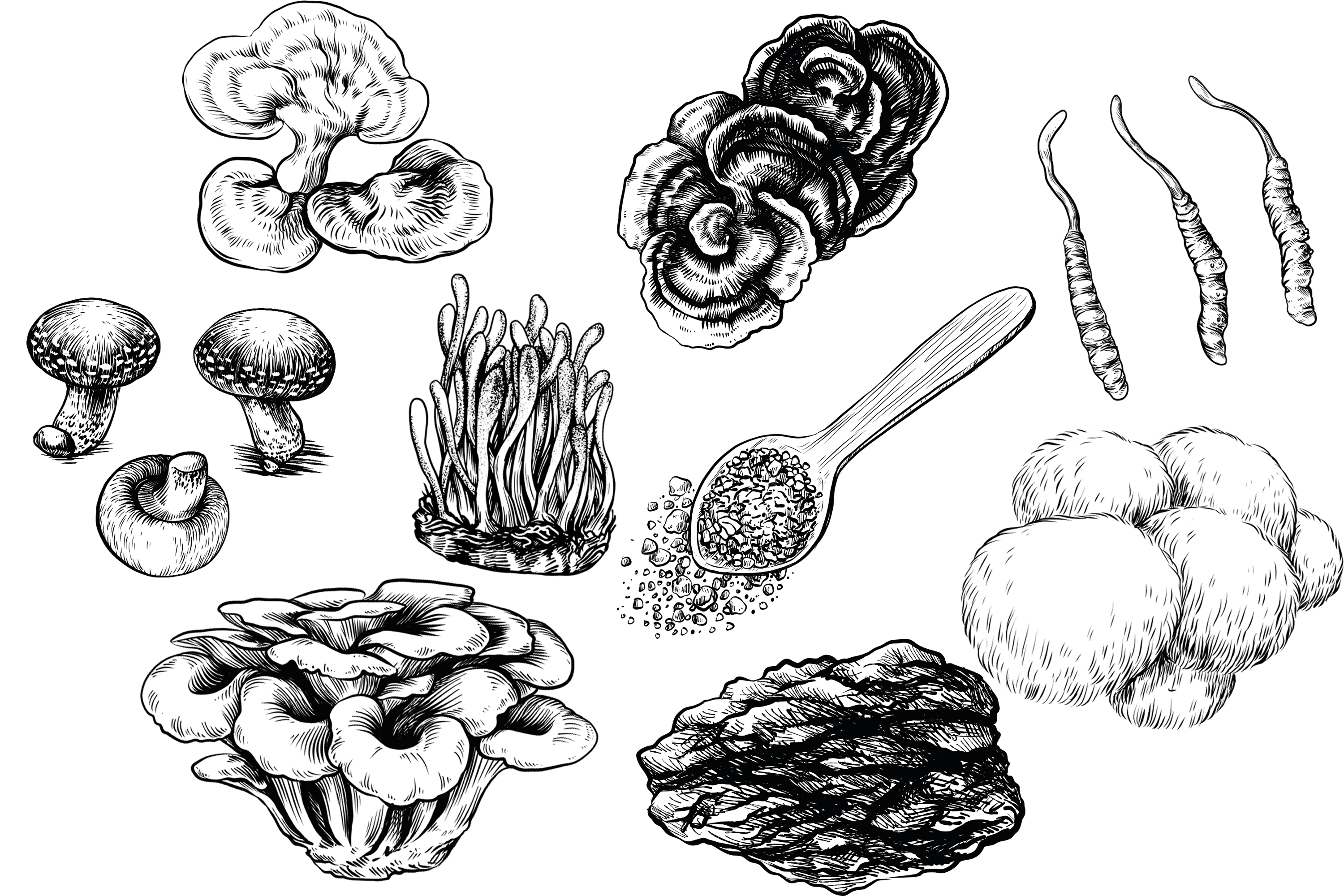
The global mushroom extract market is expanding rapidly as consumers and manufacturers embrace the benefits of functional mushrooms. Ingredients such as Lion’s Mane, Reishi, Cordyceps, Turkey Tail, and Chaga have become essential for companies in the nutritional supplement, functional food, beverage, and nutraceutical sectors.

China remains the world’s largest producer and exporter of mushroom extracts. It holds decades of cultivation experience, advanced extraction technology, and the ability to offer large-scale, consistent, and cost-effective supply. However, many overseas buyers still struggle with questions such as:

  • How do I safely and legally import mushroom extracts from China?
  • How should I define quality specifications?
  • What extraction ratios actually mean?
  • How do suppliers measure β-glucans, polysaccharides, and other key markers?
  • Why do some extracts have exaggerated numbers?

This guide offers a clear, comprehensive explanation based on industry standards and scientific accuracy. It also outlines how our company supports global buyers with accurate testing, reliable specifications, and professional export services for mushroom extracts.


Understanding Mushroom Extract Products: Powder vs Extract

To import mushroom ingredients confidently, buyers must first understand the two main product types available from China:

1. Mushroom Powder (Raw Powder)

This is simply the fruiting body (or occasionally the mycelium) dried and ground into a fine powder.
Key points:

  • No active compound enrichment
  • Nutrients remain in natural proportions
  • Often used in functional foods and low-dose supplements
  • Typically non-standardised

2. Mushroom Extract

This is a concentrated active ingredient obtained through hot-water extraction (most common) or alcohol extraction (for triterpenes and fat-soluble compounds).
Key points:

  • Active compounds enriched
  • Extraction ratio clearly defined
  • Often standardised for β-glucans, triterpenes, cordycepin, etc.
  • Creates stronger functional benefits
  • Most popular for dietary supplements

Your choice depends on formulation requirements, cost, potency expectations, and regulatory needs.


The True Meaning of Extraction Ratios (10:1, 20:1, and More)

Extraction ratios are widely misunderstood in the global mushroom market. Many suppliers use exaggerated ratios as a marketing tool, leading to confusion among buyers.

What an Extraction Ratio Actually Means

If a product is labelled 10:1, it means:

  • 10 kg of dried mushrooms were used
  • to produce 1 kg of extract
    However, this ratio does not measure potency. It only expresses the concentration process, not the bioactive content.

Why Buyers Should Not Rely on Ratios Alone

Extraction ratios tell you nothing about:

  • β-glucan level
  • α-glucan level

Two 10:1 extracts can vary dramatically in active compounds depending on the raw material and extraction process.

Internal vs Commercial Extraction Ratios

The processing of factories use an internal (true) extraction ratio, based on the real quantity of raw material used.
Marketing teams often convert this into a “commercial extraction ratio”, which may appear higher (e.g., “30:1” instead of “10:1”).
This leads to confusing or inflated labels.

Our Standard: Clear, Honest, Science-Based Specification

Our company avoids commercial exaggeration. We only provide scientific, accurate extraction ratios based on real raw materials. We also provide β-glucan testing via the Megazyme K-YBGL method, ensuring buyers understand the true potency of each extract.


Key Specification Indicators for Mushroom Extracts

To define quality correctly when importing from China, buyers must focus on measurable indicators. Below are the industry-accepted parameters we use for production and lab testing.

1. β-Glucans (Active Polysaccharides)

This is the most important quality marker in functional mushrooms.

  • The β-glucans found in mushrooms are polysaccharides distinctively linked in β-(1→3), β-(1→6) structures.
  • These differ from plant fibres like oat β-glucans (β-1→4, β-1→3).
  • Mushroom β-glucans are responsible for most immune-modulating functions.

How We Measure β-Glucans

We use the Megazyme K-YBGL enzymatic method, the global standard scientifically recommended for mushroom β-glucan analysis.

Why This Matters

The Megazyme method:

  • Separates α-glucans from β-glucans
  • Avoids false positives from starch and fillers
  • Offers accurate, reproducible results

All our extracts maintain at least 10% β-glucan (guaranteed), giving buyers confidence in active compound levels.

2. Total Polysaccharides

Many suppliers still advertise high polysaccharide levels (30–50%), but this figure includes all carbohydrate types, not only bioactive ones.
Polysaccharide measurements often include:

  • β-glucans (active)
  • α-glucans (inactive starches)
  • Other carbohydrates

The total number is not a reliable indicator of potency.

Our Position

We prioritise β-glucan testing over total polysaccharides.
This reflects modern scientific standards and ensures transparency.


3. Moisture Content

Industry standard:

  • ≤ 7%

Low moisture ensures:

  • Longer shelf life
  • Better stability
  • Lower microbial activity

4. Ash Content

Typical range for mushroom extracts:

  • 5–10%

Ash reflects the mineral content present in mushrooms.


5. Heavy Metals

We follow international export standards:

  • Lead (Pb)
  • Arsenic (As)
  • Cadmium (Cd)
  • Mercury (Hg)

All must meet EU, US, and JP pharmacopeia requirements.


6. Microbiological Indicators

We test for:

  • Total Plate Count
  • Yeast & Mould
  • E. coli
  • Salmonella

All results must meet food-grade export standards.


How to Import Mushroom Extracts from China: Step-by-Step

Below is the complete process we use to support global buyers, from sourcing to customs clearance.


Step 1: Define Specification Clearly

Your specification should include:

  • Mushroom species
  • Extract type (hot-water, alcohol, full-spectrum, fermented)
  • Active markers (e.g., ≥10% β-glucans)
  • Testing method (Megazyme K-YBGL recommended)
  • Mesh size
  • Colour, taste, and appearance
  • Microbial limits
  • Heavy metal limits

Step 2: Request COA + Third-Party Testing

A reliable supplier should provide:

  • In-house
  • Third-party lab report (optional)

We support testing through Eurofins labs.


Step 3: Confirm Certificates & Compliance Documents

Depending on destination country, you may need:

  • HS code
  • MSDS
  • COA
  • Certificate of Origin
  • Organic Certification
  • ISO / GMP documentation

Step 4: Conduct Sample Evaluation

We recommend testing:

  • Taste and colour
  • Particle size
  • β-glucan content
  • Microbial levels

Step 5: Place the Order & Begin Production

Typical lead time for mushroom extracts:

  • 5–10 days for production
  • 5–10 days for QA testing
  • 5–7 days for export(by air) logistics

We maintain strong production capacity for bulk orders.


Step 6: Shipping & Customs Clearance

We arrange:

  • Air freight
  • Sea freight
  • Express (DHL, FedEx, UPS)

All exported batches come with:

  • Batch number
  • COA
  • Packing list
  • Invoice

We assist buyers with customs clearance.


The Biggest Import Risks — And How We Avoid Them

Many buyers experience issues when sourcing mushroom extracts. Here are the key risks and how we prevent them.

1. Exaggerated Polysaccharide Levels

Some suppliers artificially inflate “polysaccharide” numbers by counting starch or adding fillers.

Our solution:
We use Megazyme K-YBGL for accurate β-glucan testing.


2. Fake Extraction Ratios

Commercial ratios like “50:1” are often impossible to verify and scientifically meaningless.

Our solution:
We use only true, raw-material-based extraction ratios.


3. Mycelium-Based Products

Some low-cost suppliers use mycelium grown on grain, producing extracts high in starch, not β-glucans.

Our solution:
We use 100% fruiting body for all major extracts unless otherwise specified.


Why Choose Us as Your Mushroom Extract Supplier?

We focus on accuracy, transparency, and scientific integrity, offering:

✔ Megazyme K-YBGL β-Glucan Testing

Globally accepted gold-standard method.

✔ Guaranteed Minimum 10% β-Glucans

Scientifically verifiable, never inflated.

✔ Strong Quality Control

Heavy metals, microbial, and physical indicators strictly tested.

✔ 100% Fruiting Body Raw Materials

Higher potency than mycelium grain products.

✔ Global Export Expertise

Smooth documentation, customs clearance, and logistics support.

✔ Stable Production Capacity

Ideal for supplement brands, contract manufacturers, and bulk ingredient traders.
Thanks for your time.

we will get back to you in 12 hours.

mushroom extract supplier, mushroom powder supplier