How Can I Import Mushroom Extracts from China, and Can You Provide Samples for Testing?

How Can I Import Mushroom Extracts from China, and Can You Provide Samples for Testing?

Importing mushroom extracts from China is a well-established sourcing strategy for companies in the nutraceutical, functional food, and dietary supplement industries. China dominates global production thanks to its large-scale cultivation, advanced extraction technologies, and competitive pricing.

However, before committing to bulk orders, professional buyers always start with sample testing and supplier verification. Sampling is not just a formality—it is a critical step to confirm product quality, active content, and consistency.


How Much Does It Cost to Get a Mushroom Extract Sample from China?

One of the most common questions from buyers is the cost of obtaining samples.

Sample Pricing

In most cases:

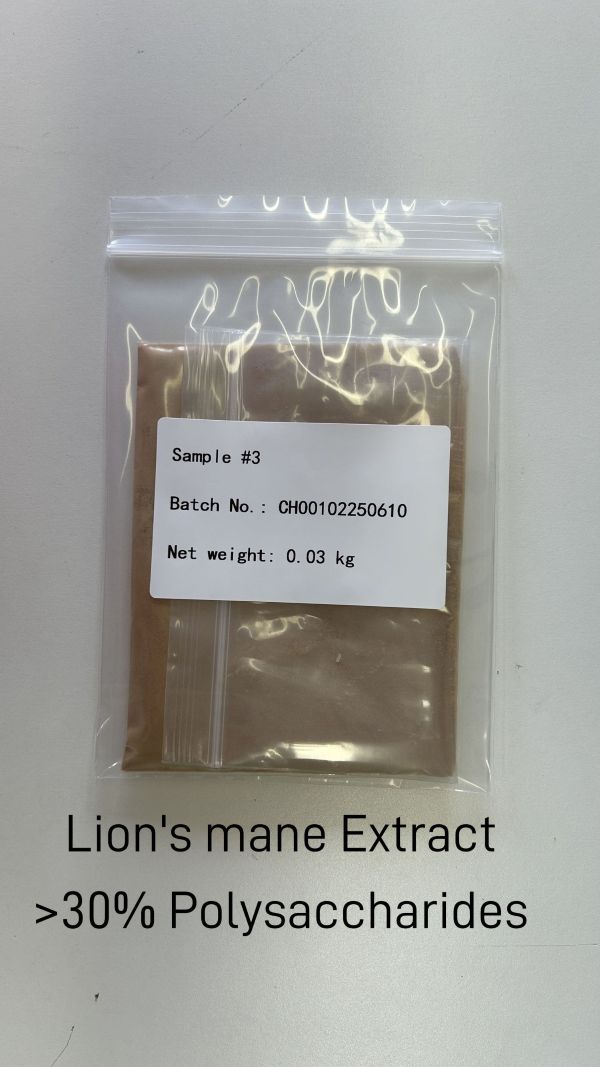
  • Samples (10g–100g) are free of charge, especially for standard products
  • Some suppliers may charge a small fee for customised samples

For serious projects or larger sample quantities, some suppliers may provide up to 500g or even 1kg samples.

Free Sample

Shipping Costs

The main cost is international courier shipping:

  • Typically $50–$150 USD via DHL, FedEx, or UPS
  • Charged based on weight (per kg)

Cost Optimisation Tip

To reduce shipping cost:

  • Combine multiple samples into one shipment
  • Keep total weight under 1 kg if possible
  • Request all variants at once (different species, extract ratios, etc.)

This approach is widely used by experienced buyers.


How Long Does It Take to Receive Samples for Lab Testing?

Sample delivery timelines are relatively fast, especially compared to bulk shipments.

Standard Timeline

  • Sample preparation: 2–5 working days
  • International shipping: 3–7 days

Total lead time: typically 5–10 days

Factors That Affect Timing

  • Whether the sample is in stock
  • Whether custom specifications are required
  • Courier efficiency and customs clearance
  • Destination country regulations

For customised samples, preparation time may extend to 7–10 days before shipping.


Can I Request Specific Beta-Glucan Levels in My Sample?

Yes, and this is a standard practice for serious buyers.

Customised Samples

Most professional manufacturers can prepare samples based on:

  • Specific beta-glucan content (e.g. 20%, 30%, 50%)
  • Polysaccharide levels
  • Extraction ratios (e.g. 10:1, 20:1)
  • Solvent type (water or alcohol extraction)
  • Carrier percentage (e.g. maltodextrin-free or low-carrier)

Important Considerations

  • Higher beta-glucan content usually means higher cost
  • Very high specifications may require pilot production
  • Lead time may be longer than standard samples

Providing clear technical requirements will significantly improve sample accuracy.


How Do I Verify That the Sample Matches Bulk Production Quality?

This is one of the most critical steps in the sourcing process.

Request Batch-Specific Documentation

Always request:

  • A Certificate of Analysis (CoA) for the sample batch
  • Not a generic or template CoA

The CoA should include:

  • Beta-glucan content
  • Polysaccharides
  • Heavy metals
  • Microbiological limits

Conduct Third-Party Testing

Do not rely only on supplier data. Send samples to independent laboratories to verify:

  • Active compounds (beta-glucan vs alpha-glucan)
  • Purity and contaminants
  • Authenticity

This step is essential for regulatory compliance and risk control.

Compare Pilot and Production Batches

Before placing a large order:

  • Request a pilot batch sample
  • Compare it with the initial sample

Check for:

  • Colour consistency
  • Odour consistency
  • Solubility
  • Flowability

This ensures long-term consistency.这确保了长期的稳定性。


Sample Request Process (Practical Workflow)

A typical sample request process works as follows:

  1. You provide your requirements:
    • Product type
    • Specifications
    • Quantity
  2. Supplier confirms:
    • Sample availability
    • Cost (if any)
    • Shipping fee
  3. Supplier issues invoice
  4. Payment is completed
  5. Samples are prepared
  6. Shipment is arranged (usually DHL or FedEx)
  7. Tracking information is shared
  8. You receive and test the samples

Industry Practice Insight

Most experienced suppliers:

  • Provide free samples
  • Only charge courier shipping
  • Allow combining multiple samples in one shipment

This approach helps buyers evaluate several products efficiently.


Quality Control Before Bulk Orders

Before moving to commercial orders, buyers should complete:

Laboratory Testing

Verify:

  • Beta-glucan content
  • Polysaccharide levels
  • Heavy metals
  • Microbial safety

Sensory Evaluation

Check:

  • Colour
  • Odour
  • Taste (if applicable)

Documentation Review

Ensure:

  • CoA matches test results
  • Specifications are clear
  • Certifications are valid

Supplier Audit

For long-term cooperation:

  • Conduct virtual or on-site audits
  • Review production capacity
  • Confirm SOP consistency

Personal Industry Insights

Based on practical experience in the mushroom extract industry:

Custom Samples Are Essential

Serious projects always require customised samples rather than generic stock samples.

Shipping Strategy Matters

Combining samples under 1 kg can significantly reduce cost while improving efficiency.

Documentation Is as Important as the Product。

A good sample without proper documentation is not reliable for decision-making.

Consistency Must Be Verified Early

Comparing multiple batches at the sampling stage helps avoid future disputes.


Importing mushroom extracts from China is a structured process that begins with sample evaluation and supplier verification. Most manufacturers provide free or low-cost samples, with buyers covering shipping fees. Samples typically arrive within one week, making it a fast and practical first step.

Buyers can request customised specifications, including specific beta-glucan levels, to match their product requirements. However, verifying that samples reflect bulk production quality requires third-party testing, documentation review, and batch comparison.

In the end, successful importing depends on a simple principle:

test first, verify thoroughly, and only then scale up.

By following this approach, you can minimise risk, ensure product consistency, and build a reliable long-term supply chain for mushroom extracts.

How Can I Import Mushroom Extracts from China, and Can You Provide Samples for Testing?

Importing mushroom extracts from China is a well-established sourcing strategy for companies in the nutraceutical, functional food, and dietary supplement industries. China dominates global production thanks to its large-scale cultivation, advanced extraction technologies, and competitive pricing.

However, before committing to bulk orders, professional buyers always start with sample testing and supplier verification. Sampling is not just a formality—it is a critical step to confirm product quality, active content, and consistency.


How Much Does It Cost to Get a Mushroom Extract Sample from China?

One of the most common questions from buyers is the cost of obtaining samples.

Sample Pricing

In most cases:

  • Samples (10g–100g) are free of charge, especially for standard products
  • Some suppliers may charge a small fee for customised samples

For serious projects or larger sample quantities, some suppliers may provide up to 500g or even 1kg samples.

Free Sample

Shipping Costs

The main cost is international courier shipping:

  • Typically $50–$150 USD via DHL, FedEx, or UPS
  • Charged based on weight (per kg)

Cost Optimisation Tip

To reduce shipping cost:

  • Combine multiple samples into one shipment
  • Keep total weight under 1 kg if possible
  • Request all variants at once (different species, extract ratios, etc.)

This approach is widely used by experienced buyers.


How Long Does It Take to Receive Samples for Lab Testing?

Sample delivery timelines are relatively fast, especially compared to bulk shipments.

Standard Timeline

  • Sample preparation: 2–5 working days
  • International shipping: 3–7 days

Total lead time: typically 5–10 days

Factors That Affect Timing

  • Whether the sample is in stock
  • Whether custom specifications are required
  • Courier efficiency and customs clearance
  • Destination country regulations

For customised samples, preparation time may extend to 7–10 days before shipping.


Can I Request Specific Beta-Glucan Levels in My Sample?

Yes, and this is a standard practice for serious buyers.

Customised Samples

Most professional manufacturers can prepare samples based on:

  • Specific beta-glucan content (e.g. 20%, 30%, 50%)
  • Polysaccharide levels
  • Extraction ratios (e.g. 10:1, 20:1)
  • Solvent type (water or alcohol extraction)
  • Carrier percentage (e.g. maltodextrin-free or low-carrier)

Important Considerations

  • Higher beta-glucan content usually means higher cost
  • Very high specifications may require pilot production
  • Lead time may be longer than standard samples

Providing clear technical requirements will significantly improve sample accuracy.


How Do I Verify That the Sample Matches Bulk Production Quality?

This is one of the most critical steps in the sourcing process.

Request Batch-Specific Documentation

Always request:

  • A Certificate of Analysis (CoA) for the sample batch
  • Not a generic or template CoA

The CoA should include:

  • Beta-glucan content
  • Polysaccharides
  • Heavy metals
  • Microbiological limits

Conduct Third-Party Testing

Do not rely only on supplier data. Send samples to independent laboratories to verify:

  • Active compounds (beta-glucan vs alpha-glucan)
  • Purity and contaminants
  • Authenticity

This step is essential for regulatory compliance and risk control.

Compare Pilot and Production Batches

Before placing a large order:

  • Request a pilot batch sample
  • Compare it with the initial sample

Check for:

  • Colour consistency
  • Odour consistency
  • Solubility
  • Flowability

This ensures long-term consistency.这确保了长期的稳定性。


Sample Request Process (Practical Workflow)

A typical sample request process works as follows:

  1. You provide your requirements:
    • Product type
    • Specifications
    • Quantity
  2. Supplier confirms:
    • Sample availability
    • Cost (if any)
    • Shipping fee
  3. Supplier issues invoice
  4. Payment is completed
  5. Samples are prepared
  6. Shipment is arranged (usually DHL or FedEx)
  7. Tracking information is shared
  8. You receive and test the samples

Industry Practice Insight

Most experienced suppliers:

  • Provide free samples
  • Only charge courier shipping
  • Allow combining multiple samples in one shipment

This approach helps buyers evaluate several products efficiently.


Quality Control Before Bulk Orders

Before moving to commercial orders, buyers should complete:

Laboratory Testing

Verify:

  • Beta-glucan content
  • Polysaccharide levels
  • Heavy metals
  • Microbial safety

Sensory Evaluation

Check:

  • Colour
  • Odour
  • Taste (if applicable)

Documentation Review

Ensure:

  • CoA matches test results
  • Specifications are clear
  • Certifications are valid

Supplier Audit

For long-term cooperation:

  • Conduct virtual or on-site audits
  • Review production capacity
  • Confirm SOP consistency

Personal Industry Insights

Based on practical experience in the mushroom extract industry:

Custom Samples Are Essential

Serious projects always require customised samples rather than generic stock samples.

Shipping Strategy Matters

Combining samples under 1 kg can significantly reduce cost while improving efficiency.

Documentation Is as Important as the Product。

A good sample without proper documentation is not reliable for decision-making.

Consistency Must Be Verified Early

Comparing multiple batches at the sampling stage helps avoid future disputes.


Importing mushroom extracts from China is a structured process that begins with sample evaluation and supplier verification. Most manufacturers provide free or low-cost samples, with buyers covering shipping fees. Samples typically arrive within one week, making it a fast and practical first step.

Buyers can request customised specifications, including specific beta-glucan levels, to match their product requirements. However, verifying that samples reflect bulk production quality requires third-party testing, documentation review, and batch comparison.

In the end, successful importing depends on a simple principle:

test first, verify thoroughly, and only then scale up.

By following this approach, you can minimise risk, ensure product consistency, and build a reliable long-term supply chain for mushroom extracts.

Thanks for your time.

we will get back to you in 12 hours.

mushroom extract supplier, mushroom powder supplier